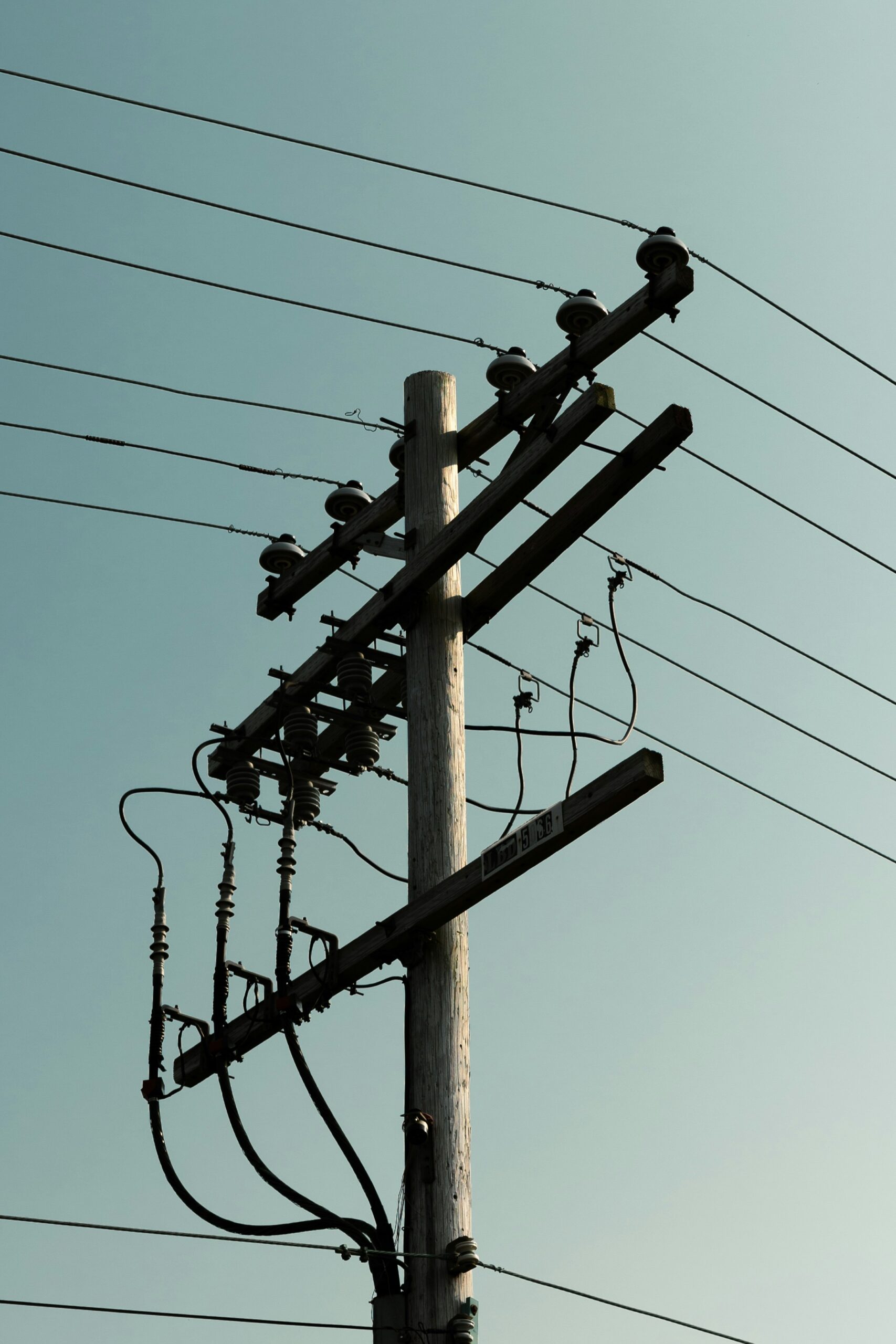
A worker in Kaifeng City was severely burned after a pole he was using struck a high-voltage line, sparking a dramatic explosion.
Kaifeng worker survives power line blast
Harrowing footage captured a worker in Kaifeng City, China, being engulfed by a fireball after he touched an overhead power line with a long pole. The incident occurred when his attention momentarily shifted while speaking to another man.
Witnesses described hearing three booming explosions, which they likened to fireworks, and saw smoke billowing from the scene. Workers from a nearby car shop quickly intervened, using a fire extinguisher to douse the flames on the man.
Miraculously, the worker survived the horrifying ordeal, though he was rushed to hospital with severe burns. The Kaifeng Power Supply Company investigated the day after and reportedly found no safety hazards at the site.
Details of the Kaifeng incident
The incident involved a worker in Kaifeng City and an overhead power line, leading to a sudden, violent explosion.
- The worker touched a high-voltage power line with a long pole.
- A fierce explosion occurred, with flames, blue sparks, and smoke.
- Bystanders from a nearby car shop used a fire extinguisher to put out the flames.
- The worker survived the incident but was hospitalised with severe burns.
- The Kaifeng Power Supply Company investigated and reported finding no safety hazards.
The critical importance of workplace safety protocols
Workers face life-altering injuries when safety protocols are not rigorously followed, as demonstrated by this Kaifeng incident. This event shows the immediate and severe risks associated with high-voltage electricity in the workplace.
Even a momentary lapse in concentration, such as the worker turning to chat, can have devastating consequences. Companies and individuals share a significant responsibility for maintaining a safe working environment, especially near dangerous infrastructure.

Questions about the Kaifeng investigation
The primary question is how the Kaifeng Power Supply Company concluded there were no safety hazards, despite a worker being severely burned by a live line. This finding seems to contradict the visible evidence of a dangerous incident.
- What specific criteria did the power company use to assess safety hazards?
- Were the worker’s training and supervision adequate for the task near live power lines?
- What measures will be implemented to prevent similar incidents if no hazards were found?
Similar incidents involving sudden explosions
This incident in Kaifeng is not an isolated event, reflecting a broader pattern of sudden, violent explosions causing severe injury. Just weeks ago, two police officers in California were burned when a car erupted on Interstate 215 while they attended to a broken-down vehicle.
Earlier, a firefighter in Indiana was thrown by a car explosion in Avon on November 2. These cases show the unpredictable nature of such blasts, whether from electrical sources or vehicle malfunctions, and the rapid onset of danger for those nearby.
Safety standards must protect against human error
The Kaifeng Power Supply Company’s finding of ‘no safety hazards’ after a worker was engulfed in flames is deeply concerning. This conclusion suggests a narrow interpretation of safety that fails to account for human factors.
Real-world safety protocols must anticipate and mitigate the potential for human error, not just structural or equipment failures. Relying solely on equipment integrity ignores the dynamic environment in which people work.
A truly effective safety regime would implement redundant protections and clearer operational boundaries, assuming that momentary lapses can and will occur. Without this broader perspective, similar incidents are likely to recur, regardless of equipment certification.
Future scrutiny of power line safety
The immediate focus will be on any further statements or actions from the Kaifeng Power Supply Company regarding their safety findings. Public and regulatory pressure might prompt a more detailed explanation or a re-evaluation of their assessment.
- Will local authorities conduct an independent investigation into the incident?
- Are there any planned revisions to safety training or equipment use near power lines in the region?
- How will the company address the public perception of its safety standards following this event?