President Trump ordered fresh missile strikes on Iran on Friday, following midterm election losses and a $20 million reward for nuclear programme intelligence.
US hits Iranian air defence site
US forces attacked an Iranian air defence site on Friday, 6 November 2026. This action followed a previous wave of American firepower earlier in the week, on Monday, 2 November 2026, which US forces described as defensive strikes.
The strikes occurred hours after Washington announced a GBP15.4 million (USD20 million) reward for information concerning Tehran’s nuclear programme. This reward is offered for details on nuclear scientists, technologies, and associated organisations.
President Trump downplayed the Friday assault, calling it “minor”. He stated that an anti-aircraft device was neutralised quickly. He also denied that the US is in an all-out conflict in the Middle East, citing no American casualties in seven months.
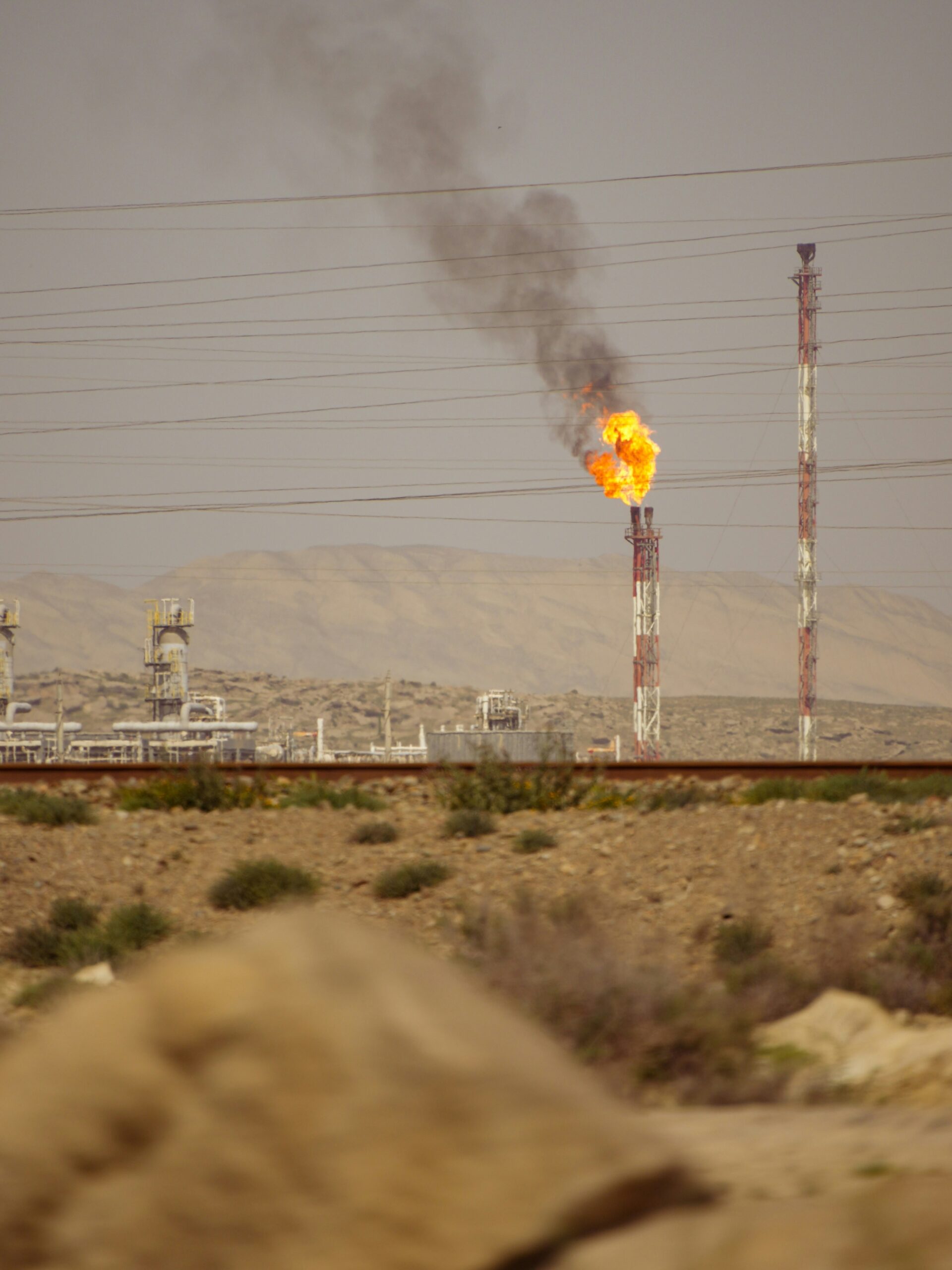
Iranian state media reported two blasts in the Suza area of Qeshm island. This island is a vital waterway for oil shipments. Explosions were also heard on Hengam island and the naval hub of Bandar Abbas.
US actions against Iran this week
- US forces struck an Iranian air defence site on Friday, 6 November 2026.
- This was the second wave of US military action this week, following defensive strikes on Monday, 2 November 2026.
- Washington offered a USD20 million (GBP15.4 million) reward for intelligence on Iran’s nuclear programme.
- President Trump claimed US forces have not suffered casualties in seven months of engagement with Iran.
- Iranian state media reported explosions on Qeshm and Hengam islands, and near Bandar Abbas.
- Iran has distributed iodine tablets and survival guides, fearing an attack on its Pickaxe Mountain nuclear site.
Midterm elections and rising petrol prices
The latest US military action against Iran took place after the midterm elections on Tuesday, 3 November 2026. These elections saw the Democratic Party gain control of both chambers of Congress, a significant shift in the political landscape.
President Trump acknowledged that public anger over the foreign conflict contributed to his party’s election losses. Voters were reportedly frustrated by rising petrol prices, which were linked to the ongoing tensions in the Middle East.
The conflict’s impact on fuel costs has been a recurring theme in domestic US politics. This economic pressure point appears to influence the administration’s approach to the situation with Iran, as public sentiment is tied to pocketbook issues.
Tehran is currently considering new peace proposals, mediated by Qatar, to de-escalate tensions. However, Iranian officials are reportedly unwilling to negotiate on their nuclear project without specific US concessions, including lifting sanctions and unfreezing assets.
Risk of regional escalation and nuclear fallout
The ongoing military actions and rhetoric from both sides raise the immediate risk of a wider regional conflict. Any escalation could destabilise the Strait of Hormuz, a critical global shipping lane for oil, potentially impacting energy markets worldwide.
Iran’s distribution of iodine tablets and survival guides to its citizens near nuclear facilities points to a serious concern about potential attacks. This preparation signals a heightened state of alert within the country regarding its nuclear sites.
President Trump’s threat to destroy Iran’s underground nuclear fortress, Pickaxe Mountain, in “literally one hour” carries severe implications. Such an attack, if it were to occur, could release radioactive material, as warned by an Iranian video guide.
The guide suggests that radioactive dust could travel hundreds of miles, affecting populations far beyond the immediate blast zone. This potential for widespread environmental and health consequences shows the gravity of any military action targeting nuclear infrastructure.
Iran’s next move on peace proposals
The most pressing question is how Iran will respond to the Qatari-brokered peace proposals and the latest US strikes. Tehran’s willingness to negotiate its nuclear programme remains conditional on significant US concessions, which Washington has not yet publicly agreed to.
- Will the US consider lifting sanctions and unfreezing Iranian assets as part of a peace deal?
- How will the recent US military actions influence Iran’s decision-making regarding the peace proposals?
- What specific intelligence is the US seeking with its USD20 million reward, and how might this affect Iran’s nuclear operations?
Diplomatic efforts and military responses
Observers will be watching for any official statements from Tehran regarding the Qatari peace proposals. The nature of Iran’s response will indicate whether diplomatic channels can still de-escalate the current tensions or if further military actions are imminent.
- Any further US military deployments or intelligence-gathering operations in the region.
- Statements from international bodies or other regional powers on the escalating situation.
- Changes in global oil prices, which often reflect perceived stability in the Middle East.

A dangerous link between domestic politics and foreign policy
The timing of the latest US strikes on Iran, immediately after significant midterm election losses, suggests a worrying link between domestic political setbacks and foreign military action. President Trump himself acknowledged that the conflict contributed to his party’s defeat, particularly due to rising petrol prices.
This creates a dangerous precedent where military engagements could be perceived as attempts to regain political ground or distract from internal issues. Such a strategy risks escalating conflicts for reasons that are not purely strategic or defensive, but rather politically motivated.
Claiming “total control” while simultaneously offering a large reward for nuclear secrets and facing peace proposals indicates a contradictory approach. It suggests a lack of a clear, unified strategy, which can prolong instability rather than resolve it.
A more consistent and less reactive foreign policy is needed to avoid the perception that military force is a tool for domestic political advantage. This would involve clearly defined objectives and a willingness to engage in sustained, genuine diplomacy, even when facing internal pressures.
Global energy markets and travel risks
Anyone who drives a car or relies on goods transported by fuel will feel the impact of continued instability in the Middle East. Escalating tensions in the Strait of Hormuz, a key oil transit point, could lead to further increases in global petrol prices.
Travellers planning trips to the wider Middle East region should monitor government travel advisories closely. Increased military activity and political volatility could affect flight routes, travel insurance, and overall safety in certain areas.