Foreign Secretary Ed Miliband’s snorkelling trip in Antigua sparks political backlash amid rising UK living costs.
Foreign Secretary takes Antiguan break
Foreign Secretary Ed Miliband took a break from a Commonwealth summit in Antigua for a restaurant lunch and an afternoon dip with his aides. He was observed emerging from beachside changing rooms, barefooted and clutching his towel and wet trunks.
This recreational interlude occurred while inflation-hit families in the UK faced rising interest rates and soaring energy bills.
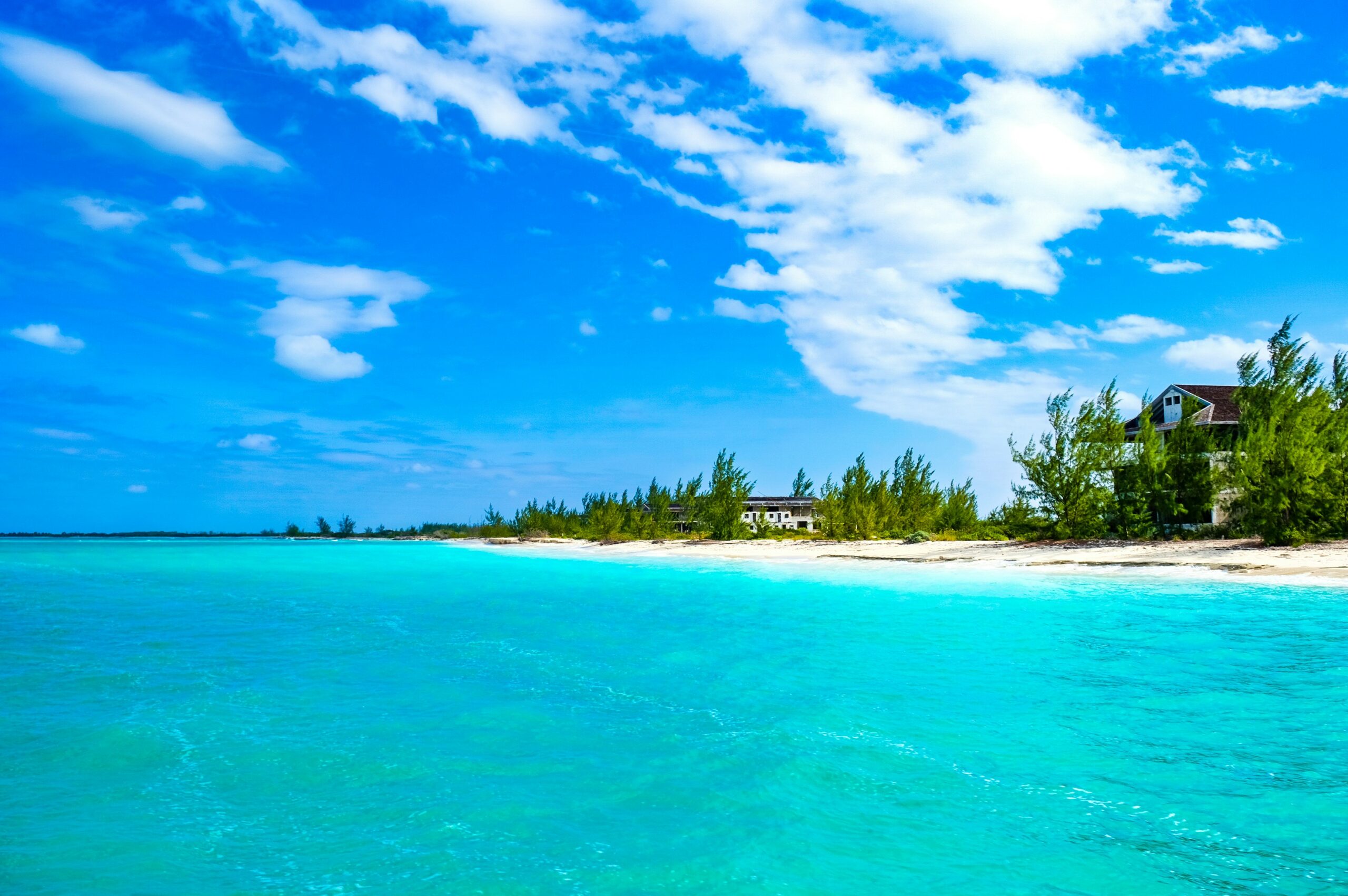
Mr Miliband, the former Labour leader and Energy Secretary, was spotted enjoying lunch at the “swanky” Catherine’s Cafe. This establishment is known as a popular stop-off for guests arriving on superyachts. He then strolled out onto the white sands of Pigeon Point beach.
A British tourist present noted that no one at the restaurant or on the beach recognised Mr Miliband. After lunch, the group walked to the beach where they were met by staff carrying snorkels and masks. They changed into swimming trunks to go snorkelling.
The group spent over an hour in the sea, exploring the clear waters, while security staff waited on the mostly empty beach. Following their swim, Mr Miliband returned to the restaurant toilets to change. The tourist overheard the group discussing how “clear the water was and how amazing it was.”
Miliband’s Antiguan itinerary
Foreign Secretary Ed Miliband’s activities in Antigua during a Commonwealth summit have drawn significant political attention. The trip included leisure time that has since been sharply contrasted with domestic economic conditions in the UK.
- Mr Miliband had lunch at the “swanky” Catherine’s Cafe, a popular venue for superyacht visitors, before his afternoon activity.
- He then went snorkelling for over an hour at Pigeon Point beach, accompanied by aides and security staff.
- The trip to Antigua followed earlier official engagements with the King in the Bahamas and Guyana, forming part of a wider diplomatic tour.
- Tory chairman Kevin Hollinrake publicly criticised Mr Miliband, linking his actions to “net zero zealotry” and the burden of rising energy bills on British families.
- Mr Hollinrake claimed British families are “drowning in a cost-of-living crisis” while Mr Miliband was “living it up on the beach in Antigua.”
Political cost of a Caribbean holiday
The timing of Mr Miliband’s recreational activities carries a significant political cost, particularly when many British households face rising interest rates and soaring energy bills. Public perception of politicians’ conduct abroad is scrutinised against the backdrop of domestic struggles. This creates a powerful and easily digestible narrative for political opponents.
Tory chairman Kevin Hollinrake quickly seized on the images, directly connecting Mr Miliband’s “whale of a time” to the “net zero zealotry” he attributes to Labour. This framing aims to portray Labour as out of touch with ordinary voters’ financial pressures, especially concerning energy costs which are set to soar in January. The Conservative party is keen to draw a contrast.
Such incidents can undermine public trust, suggesting a disconnect between the experiences of political leaders and the everyday realities of their constituents. The stark contrast between a Caribbean beach and families “treading water” in an inflation-hit economy is easily exploited by rival parties. It feeds into broader cynicism about politicians and their priorities.
The public often expects a degree of austerity or discretion from their leaders during times of national hardship. Even if the official trip was essential, the leisure component provides an easy target for criticism. This perception can overshadow any genuine diplomatic achievements.
Public scrutiny of official travel
This incident fits a recurring pattern of public officials facing intense scrutiny over their travel and leisure activities, especially when juxtaposed with national economic challenges. Such events often become symbolic of perceived detachment from the electorate’s concerns, regardless of the official purpose of the trip. The public expects a certain level of decorum and empathy from its leaders.
For example, the Prime Minister’s recent use of a taxpayer-funded plane, diverting from London to Manchester to pick up him and his wife, also drew accusations of treating a government jet like an “Uber service.” That incident, like this one, highlighted the political risks associated with official travel perks and how they are perceived by the public.
Other moments, such as the Prime Minister falling over while playing cricket, and then awkwardly playing steel drums with Mr Miliband, also contributed to a broader public narrative. These seemingly minor incidents, when combined, shape the public image of political figures on official trips, often overshadowing substantive diplomatic work.
Miliband’s political miscalculation
While attending a Commonwealth summit is part of a Foreign Secretary’s duty, the decision to take a leisurely snorkelling trip in the Caribbean was a clear political miscalculation. This is especially true when domestic households are “treading water” financially. The optics of such an activity are inherently difficult to defend.
Voters expect their representatives to demonstrate solidarity, or at least extreme discretion, during times of economic anxiety. Images of Mr Miliband enjoying a tropical beach provide easy fodder for opponents. They allow rivals to paint a picture of a politician detached from ordinary people’s struggles. This narrative is powerful.
Mr Miliband’s team should have anticipated the inevitable criticism. Public perception often triumphs over the reality of a busy diplomatic schedule. Avoiding activities that could be easily weaponised by the opposition would have been a more prudent approach.
Continued attacks on Labour’s economic stance
The immediate aftermath will likely see continued political attacks from the Conservative party, using this incident to question Labour’s understanding of the cost of living crisis. This narrative will be reinforced through various media channels and social media campaigns.
- Expect further comments from Tory figures linking Labour’s policies, particularly on net zero, to increased household expenses, using Mr Miliband’s trip as a symbolic example of perceived hypocrisy.
- Labour leaders may need to issue a statement or address the criticism directly to manage public perception and counter the narrative of being out of touch with ordinary Britons.
- Future travel plans for senior Labour politicians could face increased media and public scrutiny for any perceived extravagance or leisure activities, forcing greater caution and transparency in their itineraries.