On Sunday, October 25, 2026, Spain will set clocks back, but its current time zone reflects a unique historical decision rather than geography.
Spain prepares for seasonal clock change
Spain will implement its bi-annual clock change on Sunday, October 25, 2026, marking the end of daylight saving time. Clocks will be set back by one hour across the country.
In mainland Spain and the Balearic Islands, the change occurs at 3am, moving back to 2am. The Canary Islands will see their clocks shift from 2am to 1am, aligning with Greenwich Mean Time (GMT).
Key details of the time shift
- The clocks in mainland Spain and the Balearic Islands go back one hour at 3am on Sunday, October 25, 2026.
- The Canary Islands will also adjust their clocks back one hour, from 2am to 1am, on the same day.
- This synchronised change means the time difference between the UK and Spain (one hour ahead) will remain constant.
- Most internet-connected devices will update automatically, but manual adjustments are needed for analogue clocks and some appliances.
Spain’s 1942 shift to Central European Time
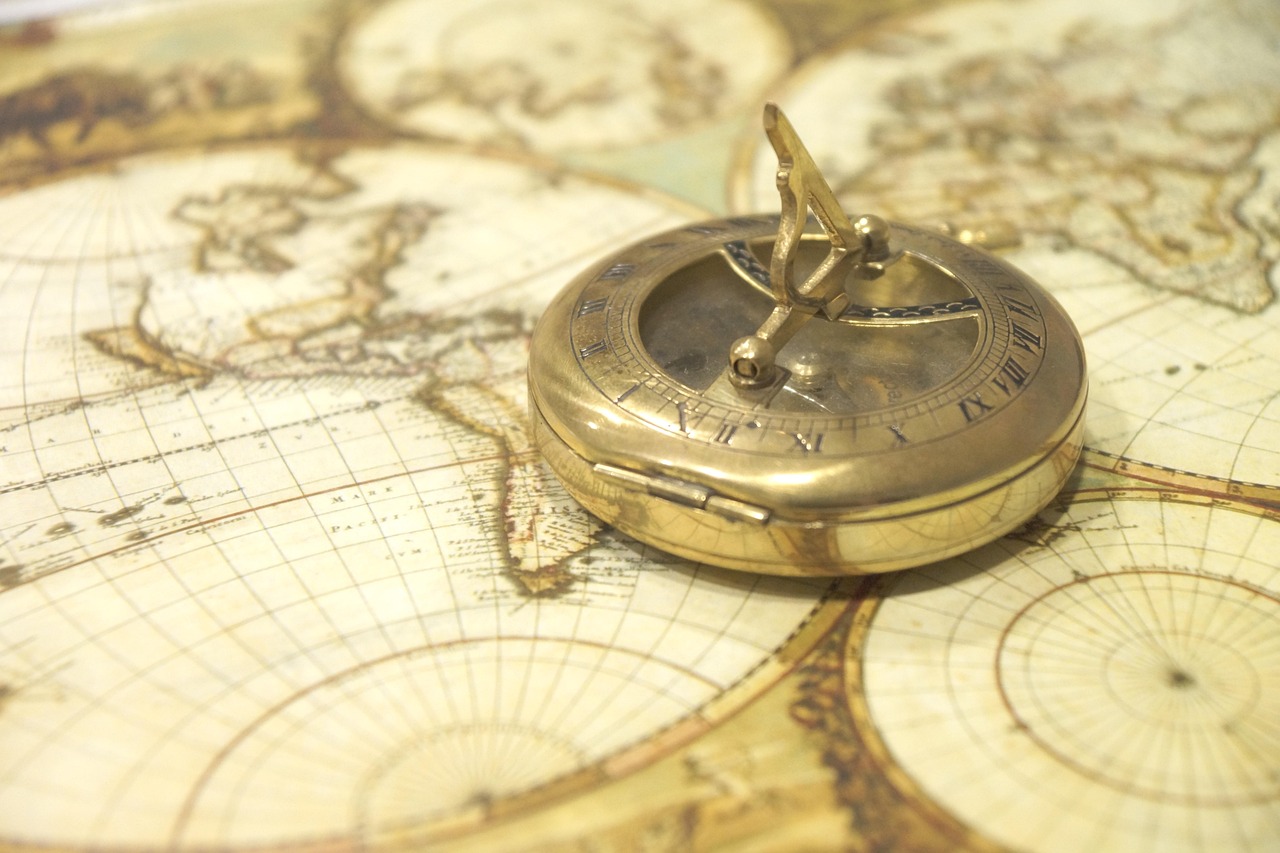
Spain’s current time zone, Central European Time (CET), places it one hour ahead of its geographical longitude. The country shares a similar longitude with the UK and Portugal, both of which observe Greenwich Mean Time.
This discrepancy dates back to the Second World War. In 1942, Spanish dictator Francisco Franco, who held sympathies for the Axis powers, ordered the country to align its clocks with Nazi Germany. What was intended as a temporary wartime measure became a permanent fixture.
The debate over energy savings and sleep disruption
The practice of changing clocks twice a year is under scrutiny due to questions about its benefits. Spain formally raised concerns with the European Union in October 2025, advocating for the abolition of seasonal clock changes.
The Spanish government specifically argued that the energy savings traditionally associated with daylight saving are now increasingly uncertain. Furthermore, the twice-yearly shift is cited as a cause of disrupted sleep patterns for citizens, affecting public health and well-being.
The EU’s stalled decision on clock changes
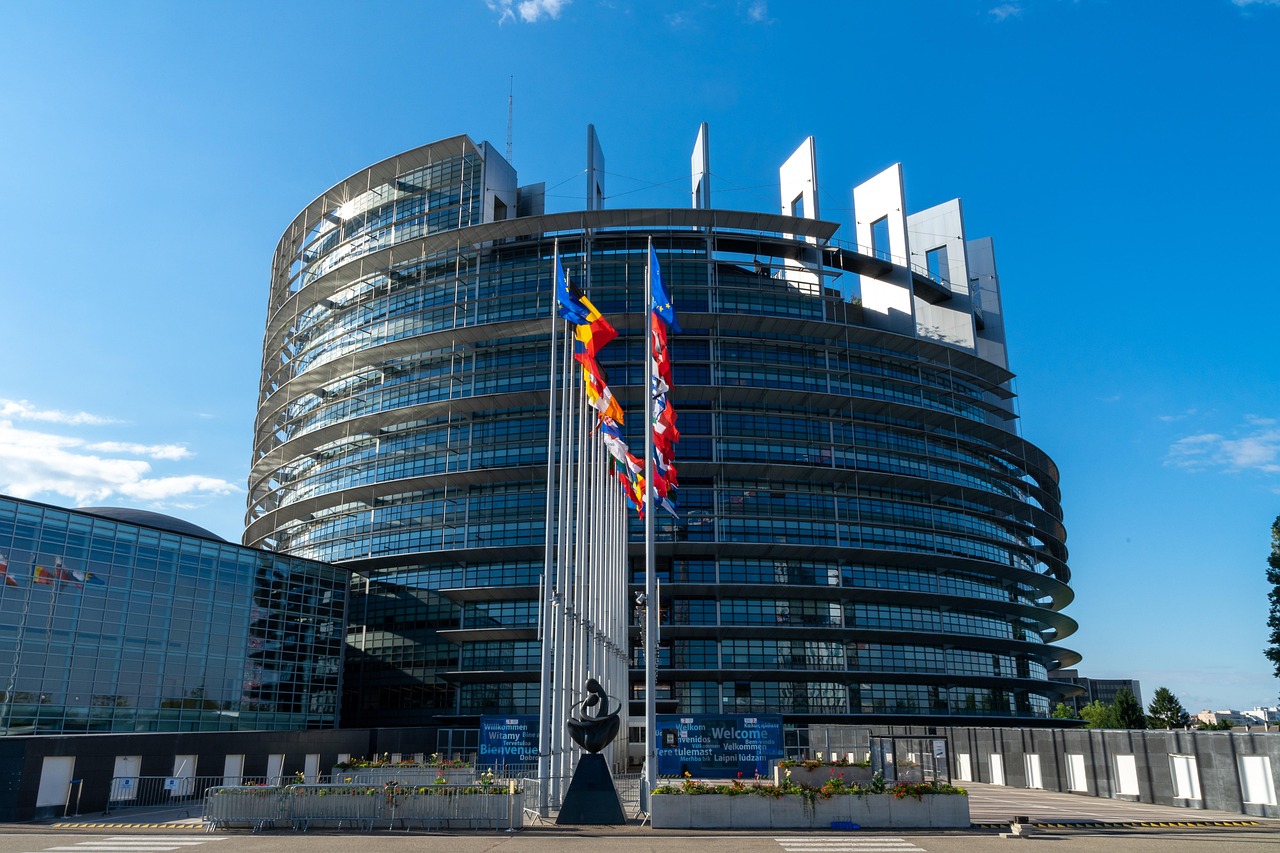
The most significant unanswered question is when, or if, the European Union will finally act on its proposal to scrap seasonal clock changes. The European Parliament backed this initiative in 2019, but EU governments have yet to reach a consensus on the necessary legislation.
- Will EU member states overcome their disagreements to implement a unified time zone policy?
- What specific factors are preventing EU governments from agreeing on the legislation?
- How will individual nations, like Spain, proceed if the EU cannot reach a final decision?
Europe’s wider push to end daylight saving
The debate in Spain is part of a broader European trend to reconsider daylight saving time. Many EU member states have expressed concerns similar to Spain’s regarding the efficacy and impact of the biannual clock adjustments.
The European Parliament’s 2019 vote to end the practice reflected widespread public and political sentiment across the continent. However, the challenge lies in coordinating a common approach among diverse nations, each with its own geographical and historical considerations.
Ending clock changes would correct a historical anomaly
Spain’s continued adherence to Central European Time is a relic of a bygone era, imposed during a period of authoritarian rule. It is an anachronism that places the country out of sync with its natural geographical time zone and its immediate neighbours, the UK and Portugal.
The arguments for maintaining the current system, particularly those concerning energy savings, appear increasingly weak. Moving Spain back to Greenwich Mean Time, or at least ending the twice-yearly adjustments, would not only align it more logically with its longitude but also resolve a historical curiosity. It would also address the legitimate concerns about public health and the disruption caused by seasonal shifts, which the Spanish government itself has highlighted.
Travellers must manually adjust some devices
Anyone travelling to or within Spain on Sunday, October 25, 2026, should be aware of the clock change. While most modern devices like smartphones and tablets will update automatically, older or unconnected items require manual adjustment.
This includes analogue clocks, car radios, and some household appliances. Ensuring these are correctly reset will prevent confusion and ensure you remain on schedule during your stay in Spain.