
Krispy Kreme and Papa Johns report increased sales directly linked to the popularity of the Celebrity Traitors television series.
Brands launch Celebrity Traitors tie-ins
Krispy Kreme has launched a limited-edition doughnut collection inspired by the BBC show `Celebrity Traitors`. These special doughnuts feature two distinct fillings: a ‘traitorous green’ and a ‘faithful orange’, adding an interactive element for fans.
Guy Meakin, president of Krispy Kreme UK & IRE, expressed excitement about offering fans an immersive, Traitors-inspired treat. He suggested the collection is designed for sharing, fostering either alliances or betrayals among consumers.
In parallel, Papa Johns is anticipating a significant 20% sales uplift on Friday 2026-10-30, coinciding with the show’s final. This follows a 12% sales increase on Friday 2026-10-23 and a 7% rise compared to the series’ opening week.
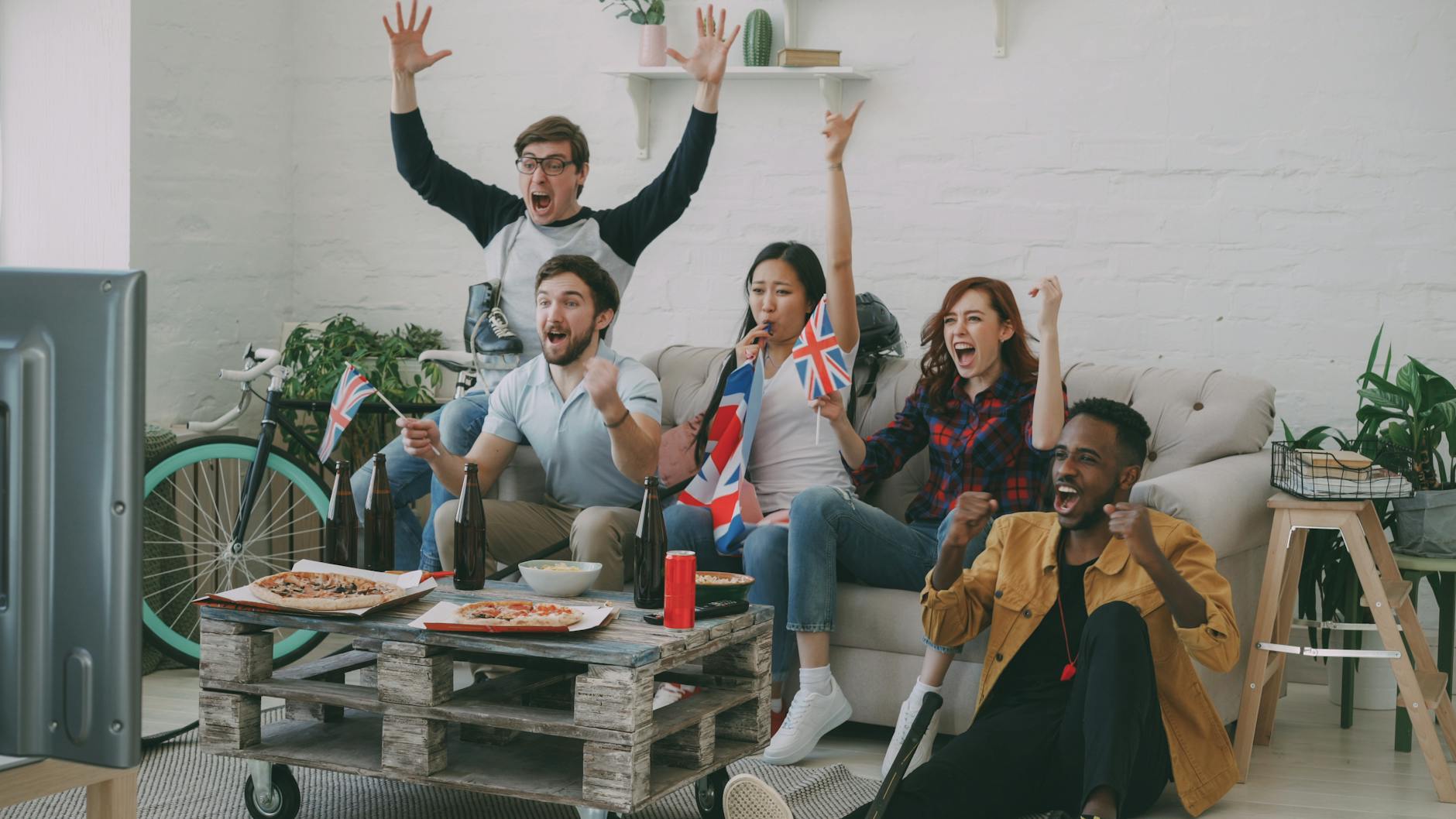
Rebecca Carroll, Senior Marketing Director at Papa Johns, noted that ‘big nights in’ are becoming key occasions, with shows like `Celebrity Traitors` encouraging gatherings. She highlighted that these shared TV moments, often accompanied by pizza, are integral to the viewing experience.
Sales figures and product details
The recent commercial activities surrounding `Celebrity Traitors` highlight specific product offerings and notable sales projections for participating brands.
- Krispy Kreme’s `The Traitors` doughnuts come with two secret fillings: green (traitor) and orange (faithful).
- Single doughnuts cost from GBP2.99, a four-pack from GBP7.95, and a 12-pack from GBP21.99.
- Papa Johns forecasts a 20% sales uplift on Friday 2026-10-30, the night of the show’s final.
- The pizza chain recorded a 12% sales increase on Friday 2026-10-23.
- Papa Johns’ sales were up 7% compared to the opening week of the `Celebrity Traitors` series.
- The civilian `Traitors` final in January also saw a 12% sales uplift for Papa Johns.
The value of entertainment partnerships
Brands gain direct financial benefit from linking to popular culture, as seen in Papa Johns’ projected 20% sales uplift. This strategy allows companies to move beyond traditional advertising and tap directly into existing consumer engagement.
Such collaborations offer immersive experiences, like Krispy Kreme’s secret-filled doughnuts, creating a deeper connection with consumers. It transforms passive viewing into an interactive event, enhancing the overall fan experience.
The rise of branded viewing experiences
This trend of food brands partnering with popular television shows reflects a broader shift in marketing strategies. Companies are increasingly moving towards experiential campaigns that integrate products directly into cultural moments, rather than merely sponsoring them.
Similar patterns have been observed with other major entertainment franchises, such as fast-food chains creating limited-edition meals for blockbuster film releases or video game launches. These initiatives aim to capture consumer attention during peak engagement periods.
Future of brand-show collaborations
The primary question is whether these short-term sales boosts translate into sustained customer loyalty for the brands involved, or if they are fleeting successes.
- Will Krispy Kreme and Papa Johns continue these partnerships for other popular shows, or are they one-off ventures?
- What is the long-term return on investment for these specific, limited-edition campaigns beyond immediate sales figures?
- How do these collaborations influence overall brand perception and consumer affinity once the show’s popularity wanes?
Brands must innovate beyond simple tie-ins
While the immediate sales figures for Krispy Kreme and Papa Johns are impressive, simply slapping a show’s name on a product risks superficial engagement. True value comes from deeper, more creative integrations that resonate with the show’s core themes and audience.
The secret filling concept for Krispy Kreme doughnuts is a step in the right direction, offering an interactive element that mirrors the show’s premise. However, brands should push further, perhaps with augmented reality experiences or exclusive digital content, to truly capture the audience’s imagination and build a lasting connection.
Otherwise, these partnerships remain largely transactional, missing the opportunity to build genuine brand affinity. The challenge for marketers is to evolve from novelty items to genuine extensions of the entertainment experience, creating something memorable that outlasts the show’s run.
Next steps for entertainment marketing
Observers will be watching closely to see if other food and beverage companies adopt similar strategies for upcoming major television events, particularly those with strong fan bases.
- Will the success of these campaigns lead to more complex, multi-brand collaborations across different product categories?
- How will streaming platforms, not just traditional broadcasters, leverage such partnerships to enhance their content offerings?
- What new forms of interactive product experiences will emerge as brands seek to integrate more deeply into popular culture?