
A driver’s guilty plea in Chigwell reveals the tragic outcome of dangerous, uninsured driving that claimed a woman and her two beloved dogs.
Marie Theobald killed in Chigwell collision
Marie Theobald, 48, died on 22 December 2023 after being hit by a car while walking her two dogs, Riley and Honey, in Chigwell, Essex. All three were pronounced dead at the scene.
The driver, Dantay Roche, 24, was travelling at 61mph in a 30mph zone on Manford Way when the collision occurred. This was more than twice the legal speed limit.
Roche abandoned his white Seat Leon in a nearby cul-de-sac. The vehicle sustained significant damage from the impact.
He later surrendered to Ilford police station on 23 December 2023, the day after the incident. CCTV footage showed him inspecting the damage to his car before driving away.
Dantay Roche’s admitted charges
Dantay Roche appeared at the Old Bailey on 28 October 2026 and entered guilty pleas to several charges related to the fatal collision.
- Roche admitted causing death by dangerous driving.
- He also pleaded guilty to causing death by driving an uninsured vehicle.
- A charge of criminal damage, linked to the deaths of Marie Theobald’s dogs, Riley and Honey, was also admitted.
- At the time of the collision, Roche was driving at 61mph in a 30mph speed zone.
- Sentencing for Dantay Roche is scheduled to take place on 25 January 2027.
Family faces irreversible loss
Marie Theobald’s family faces an irreversible loss after her death, a direct consequence of extreme speed and reckless driving. Her family described her as a loving, selfless woman who always prioritised others.
The loss of her dogs, Riley and Honey, whom the family called “much loved members of the family,” deepens the tragedy. Such incidents leave lasting emotional scars on those left behind.
Roche driving an uninsured vehicle adds another layer of concern. Victims of uninsured drivers often face complex and extended claims processes for any damages or injuries incurred.

Driver’s silence on motivation
Why Dantay Roche was driving at such a dangerous speed remains the central question. Detective Inspector Mark Braithwaite noted that Roche has never offered an explanation to either the police or the courts for his actions.
This silence leaves a gap for Marie Theobald’s family, who may never fully understand the circumstances that led to their loss.
Repeated pattern of hit-and-run incidents
This Chigwell collision reflects a wider issue of drivers fleeing scenes and operating uninsured vehicles on UK roads. Such events frequently leave victims and their families feeling abandoned and without immediate recourse.
The Motor Insurers’ Bureau (MIB) offers assistance to victims of uninsured and untraced drivers. However, the emotional and practical toll of these incidents remains immense for those affected.
Cases like a recent conviction in Manchester for a fatal hit-and-run, where the driver also fled, show this pattern is not isolated. Law enforcement continues to face difficulties in deterring such actions and ensuring accountability.
Sentencing date approaches
The next significant development in this case will be Dantay Roche’s sentencing at the Old Bailey.
- Roche is due to be sentenced on 25 January 2027.
- The court will consider the severity of his actions, including driving at twice the speed limit and abandoning the scene.
- The judge will also weigh the impact statement from Marie Theobald’s family during the sentencing hearing.
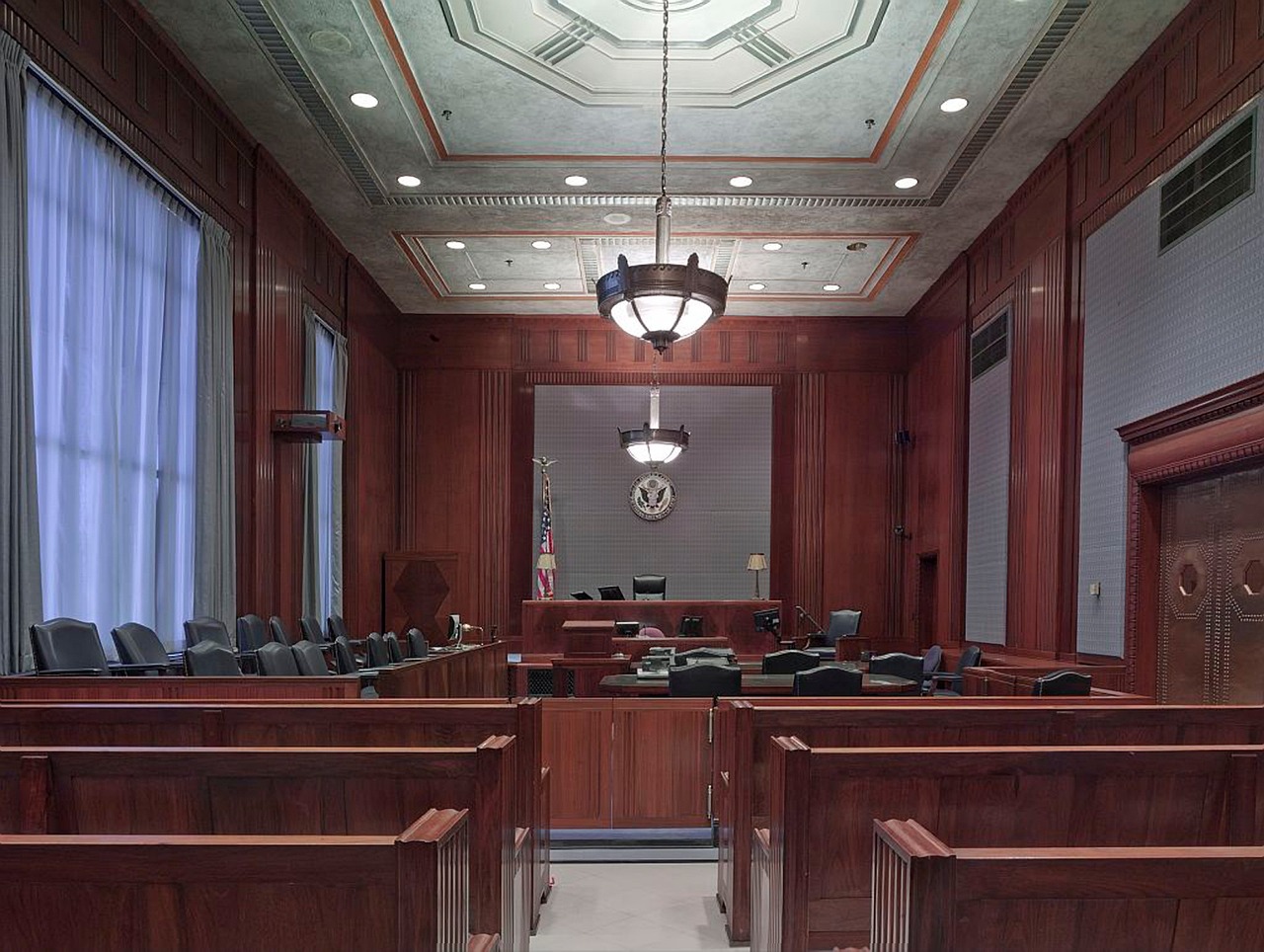
Justice must reflect the true cost of reckless driving
The guilty plea by Dantay Roche brings a measure of legal closure, but it also exposes the gaps in deterring dangerous driving. His decision to abandon the scene after the collision demonstrates a profound failure of immediate responsibility.
Current penalties for causing death by dangerous driving often do not align with public expectations of justice, especially when compared to the irreversible loss of life. There is a compelling argument for reviewing sentencing guidelines.
These guidelines should ensure they genuinely reflect the severity of these life-altering crimes. If the state is serious about road safety, it must ensure that the consequences for such reckless behaviour are not only severe but also consistently applied, making it clear that no driver is above the law.