A single-car collision in the Peak District has sent five teenagers to hospital with serious injuries, prompting a police appeal for witnesses.
Five teenagers injured in single-car incident
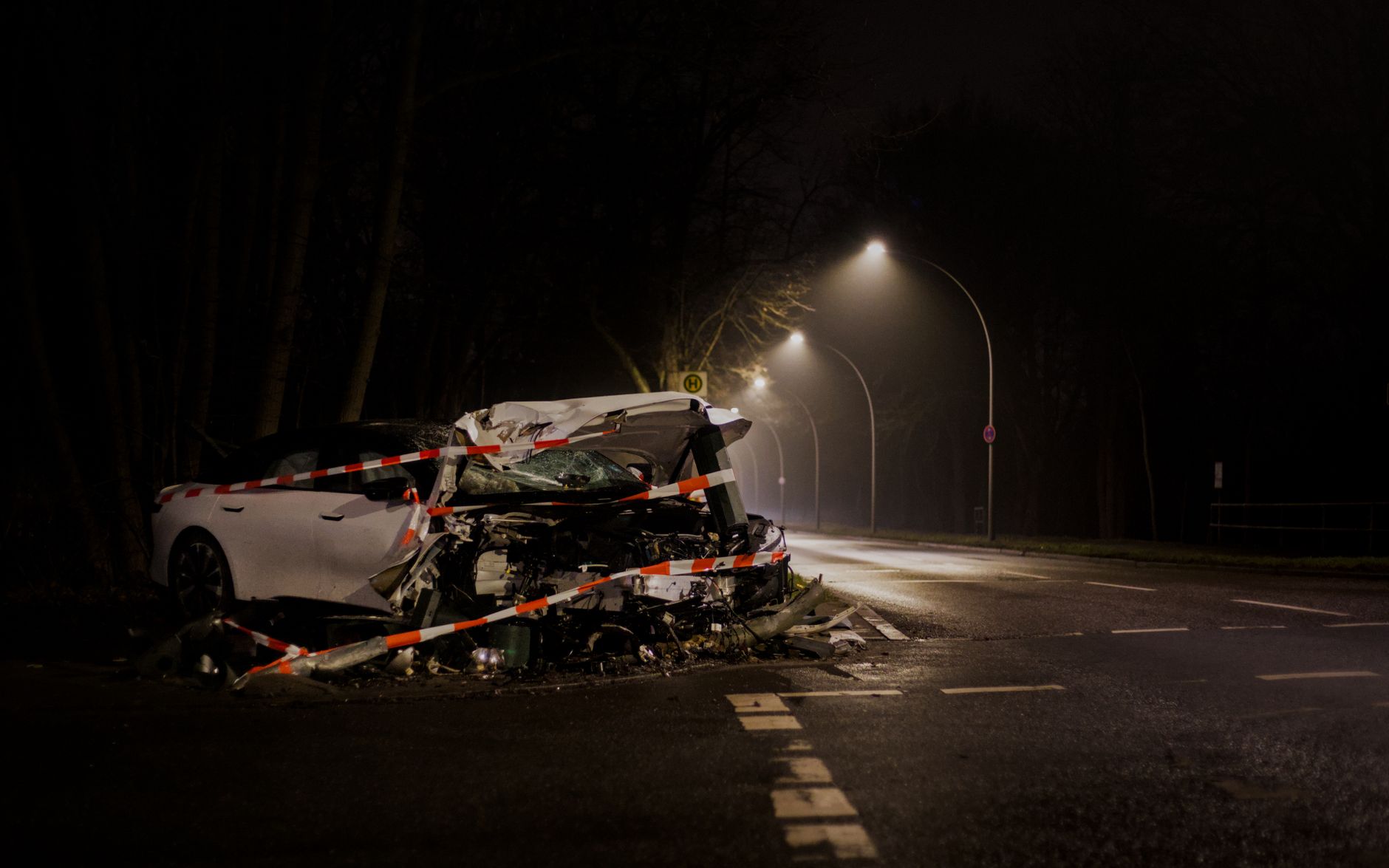
Five teenagers were rushed to hospital with serious injuries following a single-car collision on Old Coalpit Lane in the Peak District on Saturday, November 7.
Emergency services responded to the incident involving a blue Suzuki Swift. Three teenage girls and two teenage boys were taken for medical treatment.
Derbyshire Constabulary confirmed that while the injuries are serious, they are not considered life-threatening. The parents of all five teenagers have been informed of the crash.
Police have closed the road and are appealing for anyone who saw the blue Suzuki Swift before the collision to come forward. They are particularly interested in dashcam footage from drivers in the area at the time.
Details of the Peak District collision
- Date of incident: Saturday, November 7, 2026.
- Location: Old Coalpit Lane, Peak District.
- Vehicle involved: A blue Suzuki Swift.
- Casualties: Five teenagers (three girls, two boys) sustained serious but not life-threatening injuries.
- Police appeal: Witnesses or anyone with dashcam footage of the Suzuki Swift prior to the crash are asked to contact Derbyshire Constabulary.
Rural road safety concerns for young drivers
The incident on Old Coalpit Lane shows the persistent dangers present on rural roads, particularly for less experienced drivers. These routes often feature narrow passages, sharp bends, and unpredictable conditions, demanding heightened caution.
For teenagers, who may have recently passed their driving test, navigating such challenging environments can be especially difficult. The combination of inexperience and demanding road characteristics can contribute to serious incidents, even in single-vehicle crashes.
This event serves as a reminder of the critical need for continuous education and awareness regarding safe driving practices on all road types. It also shows the importance of parental discussions about responsible driving habits, especially when young people are travelling together.
What caused the Suzuki Swift to crash?
The most pressing question remains what exactly caused the blue Suzuki Swift to crash on Old Coalpit Lane. Understanding the sequence of events leading up to the collision is crucial for the police investigation and for preventing future incidents.
Investigators will be trying to determine factors such as vehicle speed, road conditions, and any potential distractions inside or outside the car. The role of driver experience on a challenging road will also be a key area of inquiry.
- Were there any adverse weather or road surface conditions at the time of the crash?
- What was the experience level of the driver involved?
- What specific information are police hoping to gain from dashcam footage?
Drivers asked to check dashcam footage
Anyone who drove on Old Coalpit Lane in the Peak District on Saturday, November 7, should review their dashcam footage. Your recording could provide vital evidence for Derbyshire Constabulary’s investigation into the single-car collision.
Even if you did not directly witness the crash, footage of the blue Suzuki Swift prior to the incident could offer important clues. Contacting the police with relevant information, however minor it seems, can significantly assist their enquiries and help piece together what happened.
Community vigilance is vital for road safety
The appeal for dashcam footage following the Peak District crash highlights a fundamental truth: community vigilance is increasingly vital for effective road safety and accident investigation. In an era where many vehicles are equipped with recording devices, the public holds a powerful tool for civic responsibility.
Relying solely on police resources to reconstruct complex incidents is no longer the only option. Every driver who shares footage or comes forward with information contributes directly to understanding why crashes occur, potentially saving lives by informing future safety measures. It is a simple act that can have profound consequences.
Some might argue that reporting every minor detail could overwhelm police. However, the alternative is leaving critical gaps in investigations. A more proactive approach from the public, coupled with clear guidance from law enforcement on how and when to submit information, offers a stronger path to safer roads for everyone.