Jesus de Miguel’s death after a pitch collision forces football to re-examine player safety and immediate medical response protocols.
Tenerife striker Jesus de Miguel dies after collision
Jesus de Miguel, a 30-year-old striker for Tenerife, tragically died on Tuesday morning, 3 November 2026. His death followed a severe collision with FC Andorra goalkeeper Jesus Owono during a Spanish Segunda Division match.
The incident occurred on Monday, 2 November 2026, at the Heliodoro Rodriguez Lopez Stadium. Owono, 25, received a red card in the final moments of the second half after his knee struck de Miguel’s head and chest.
The collision happened as Owono attempted to clear a long ball during a counter-attack. The score was tied at 2-2 at the time of the impact. De Miguel was left motionless on the pitch.
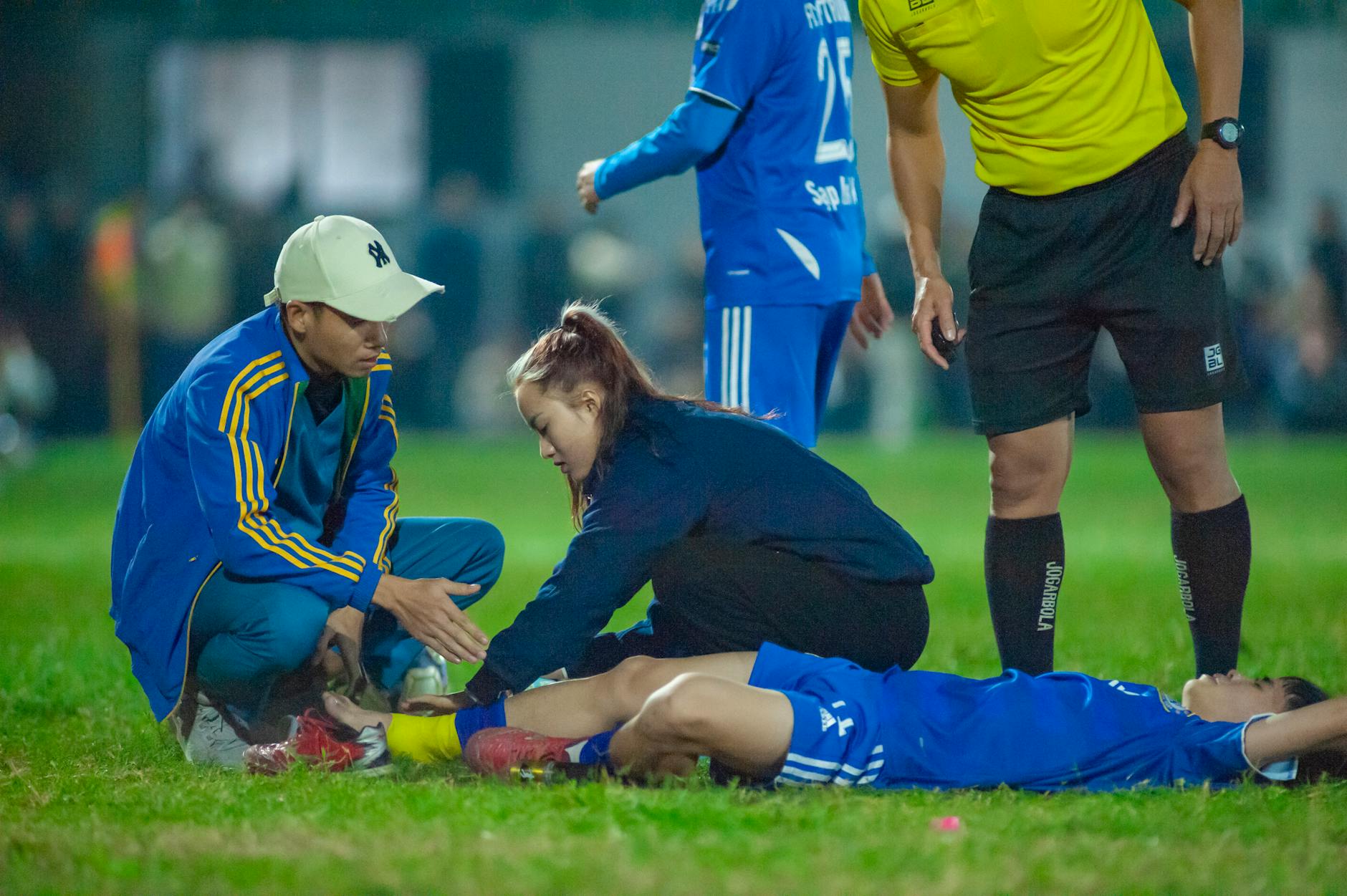
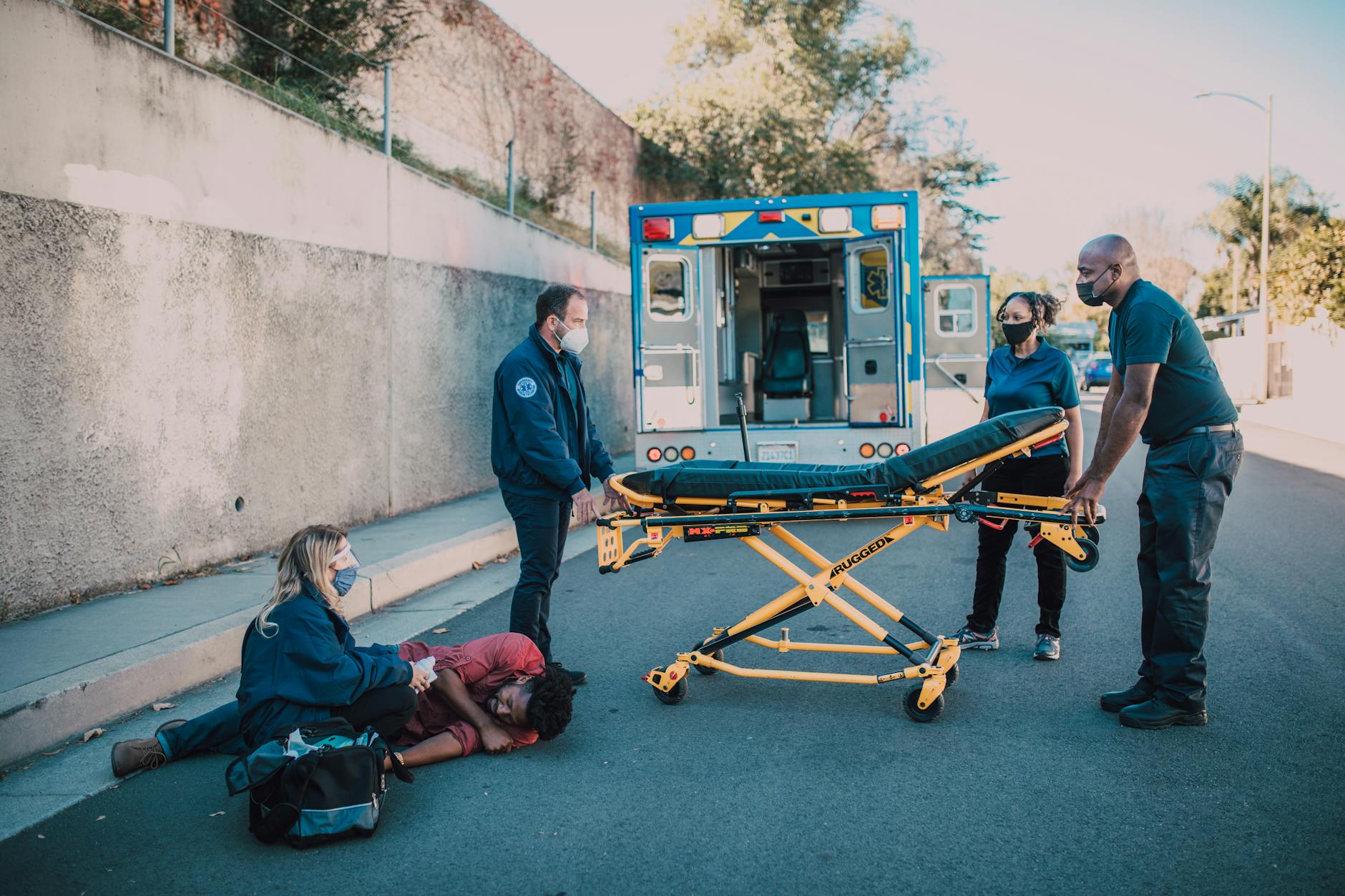
Medics immediately attended to him while players reacted with visible distress. The referee abandoned the game in the seventh minute of stoppage time due to the severity of the situation.
Reports indicate de Miguel suffered a cardiac arrest en route to the hospital. Paramedics successfully resuscitated him. He was then admitted to intensive care.
His condition was initially described as stable but serious by Tenerife on Monday evening, 2 November 2026. However, his health deteriorated overnight, leading to his death.
Key details of the tragic incident
The football community is mourning the loss of Jesus de Miguel, with many questions now arising from the circumstances of his death. Tenerife fans held an emotional vigil at their home stadium.
- Jesus de Miguel, 30, died on Tuesday, 3 November 2026, following a pitch collision on Monday, 2 November 2026.
- He collided with FC Andorra goalkeeper Jesus Owono, 25, who was sent off for the challenge.
- De Miguel suffered a cardiac arrest during transport to hospital but was resuscitated by paramedics.
- His condition worsened overnight after being admitted to intensive care.
- Tenerife fans gathered at the Heliodoro Rodriguez Lopez Stadium, leaving flowers, candles, and emotional letters.
- Goalkeeper Owono was reportedly “visibly shaken” by the incident and deactivated his social media accounts.
- Owono is expected to avoid criminal sanctions but may still face sporting punishment.
Player safety protocols face scrutiny
The death of Jesus de Miguel on the pitch immediately triggers a critical review of existing safety measures and emergency response procedures within professional football leagues. This tragic event forces governing bodies to assess how player welfare is protected during high-intensity contact.
This incident challenges the assumption that current protocols are sufficient for all types of on-field accidents. Even with advanced medical teams present, the sheer force and speed involved in certain plays can have devastating, unforeseen consequences.
The emotional impact on fellow players, particularly goalkeeper Owono, also highlights a significant aspect of player welfare. Owono was reportedly “visibly shaken” and broke down in the dressing room, underscoring the psychological toll such events inflict on those involved.
Questions about Owono’s future and league action
The immediate question revolves around the future of goalkeeper Jesus Owono, who was involved in the collision. While he is expected to avoid criminal sanctions, the possibility of sporting punishment remains open, which could significantly impact his career.
- Will the Spanish football authorities impose any sporting sanctions on Jesus Owono?
- What psychological support will be offered to Owono, who was reportedly ‘visibly shaken’ by the incident?
- How will the abandoned match between Tenerife and FC Andorra be resolved by the league?
Past tragedies prompt safety reviews
De Miguel’s death, while a unique tragedy in its specific cause, draws parallels with other rare but devastating incidents in football history. These events, though infrequent, necessitate continuous review of safety measures and medical response protocols within the sport.
For example, the death of Marc-Vivien Foé during a Confederations Cup match in 2003 sent shockwaves through the football world. Similarly, the cardiac arrest suffered by Fabrice Muamba on the pitch in 2012 led to examinations of player health screening and immediate pitch-side medical care.
De Miguel’s case, involving a collision rather than an underlying health condition, adds another dimension to these critical safety discussions. It expands the scope of what needs careful consideration in player protection, moving beyond pre-existing medical conditions to the dynamics of physical play.
Football must prioritise collision prevention
The heartbreaking death of Jesus de Miguel should compel football’s governing bodies to re-evaluate every aspect of player safety. While freak accidents are by definition unpredictable, the sport has a responsibility to minimise risks wherever possible, even in the most intense moments of a game.
This includes reviewing rules around goalkeeper challenges and ensuring that medical response times and equipment are absolutely state-of-the-art across all professional leagues. The focus must extend beyond just preventing cardiac arrests to mitigating the impact of high-speed collisions.
If a rule change or stricter enforcement can prevent even one future tragedy, it is a change worth making. The cost of inaction is simply too high for the players and the sport itself; football must act decisively to protect its athletes.
Investigations and league decisions ahead
Attention will now turn to the official investigations into the incident and the Spanish Segunda Division’s response. The league must address the outcome of the abandoned match and any potential disciplinary actions.
- Expect official statements from Tenerife, FC Andorra, and the Spanish football federation regarding the incident.
- Monitor any announcements regarding the league’s decision on the abandoned game’s result.
- Look for updates on potential support and counselling offered to Jesus Owono and both teams’ players.