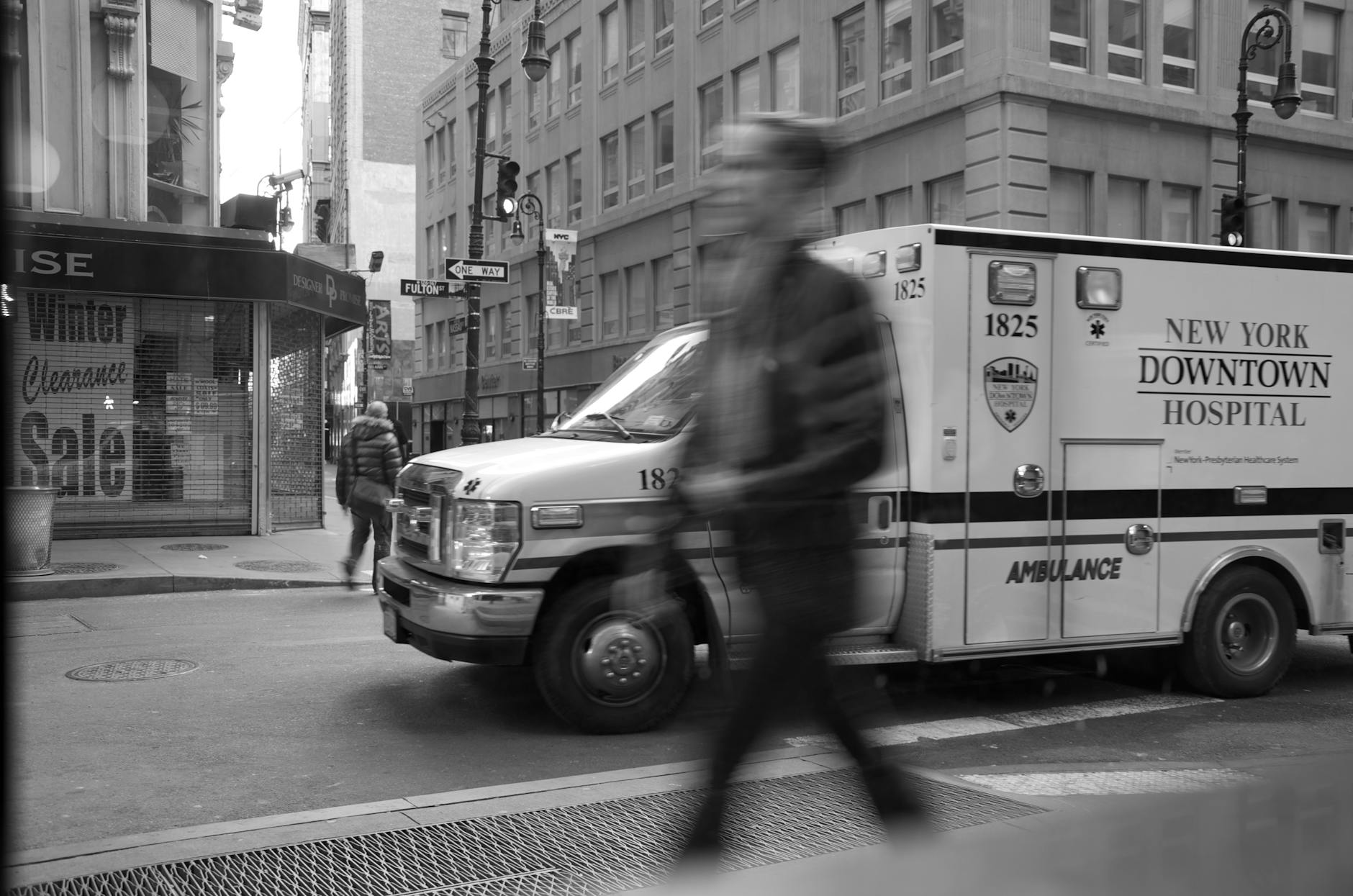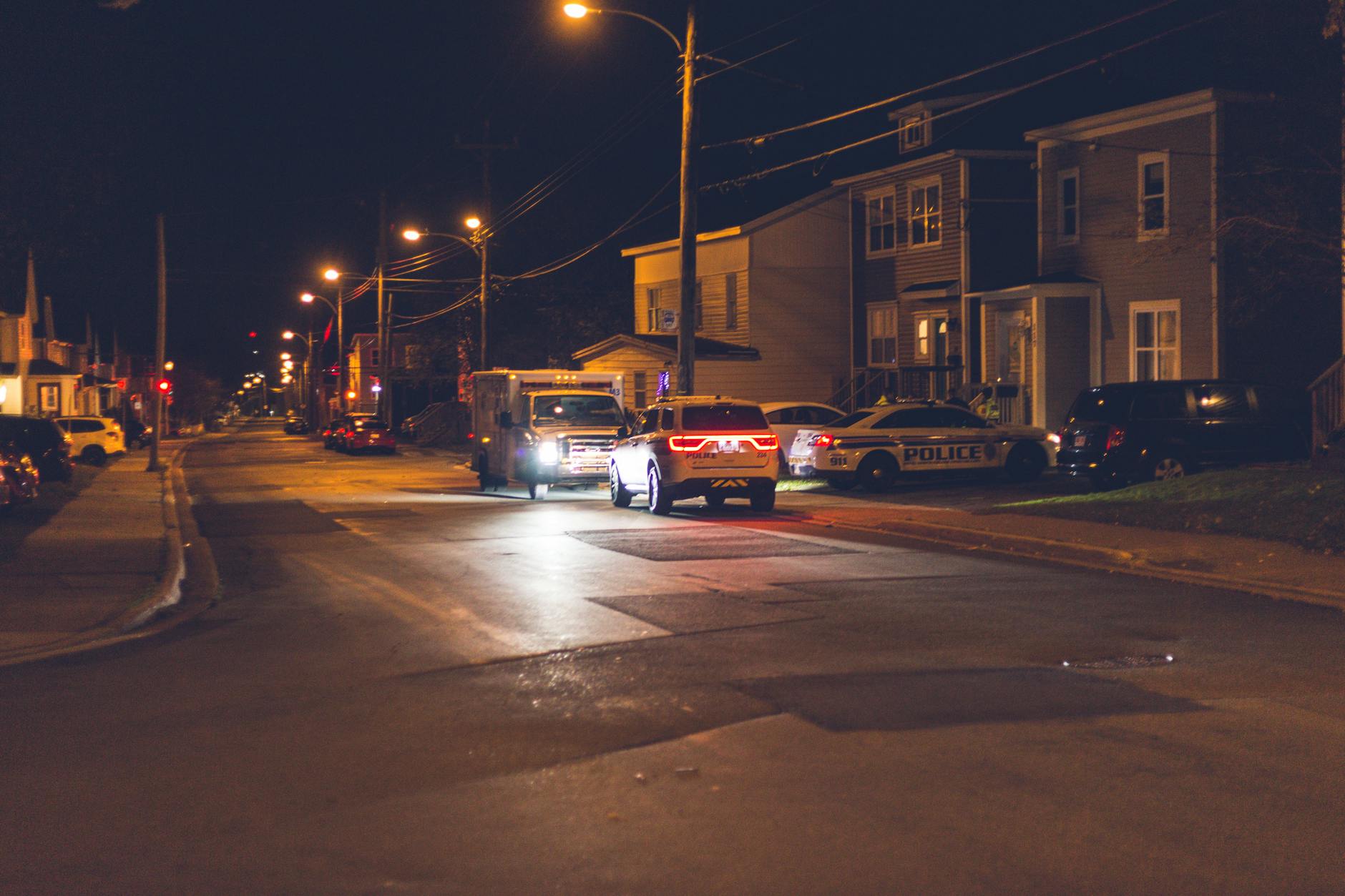
A zombie-themed Halloween decoration in Leeds led to a full emergency response, raising questions about public service resource allocation.
Emergency services respond to Halloween sign
Emergency services in Leeds recently responded to a residential property after a Halloween decoration was mistaken for a genuine incident. A dog walker reported a garage door sign that read “DONT OPEN DEAD INSIDE”, prompting police and ambulance crews to attend.
The call resulted in a significant deployment of public resources to a quiet street. Homeowner Paige Boothroyd, 31, was at work on Monday 2026-10-26 when she received a persistent Ring doorbell notification, revealing a female police officer at her door.
Details of the Leeds call-out
The incident involved a misunderstanding over a Halloween decoration, leading to a notable deployment of emergency resources in West Yorkshire.
- Paige Boothroyd, 31, and her wife Alicia, 28, created the decoration for a party held over the weekend of 2026-10-24 and 2026-10-25.
- The sign, painted on their garage door in Leeds, referenced the TV show The Walking Dead.
- Six police officers and an ambulance crew were dispatched to the property.
- Alicia used radiator paint for the sign, making it difficult for Paige to remove afterwards.
The Walking Dead inspiration
The “DONT OPEN DEAD INSIDE” message painted on the garage door was a direct reference to an iconic phrase. This appears on hospital doors in the first episode of the TV show The Walking Dead, a detail central to the homeowners’ intent.
Paige Boothroyd and her wife Alicia are fans of the zombie horror series. Alicia scrawled the message on their garage door specifically for a Halloween party they hosted. Paige herself dressed as Sheriff Rick Grimes, while Alicia went as tracker Daryl Dixon, characters from the popular show.
Emergency services face resource strain
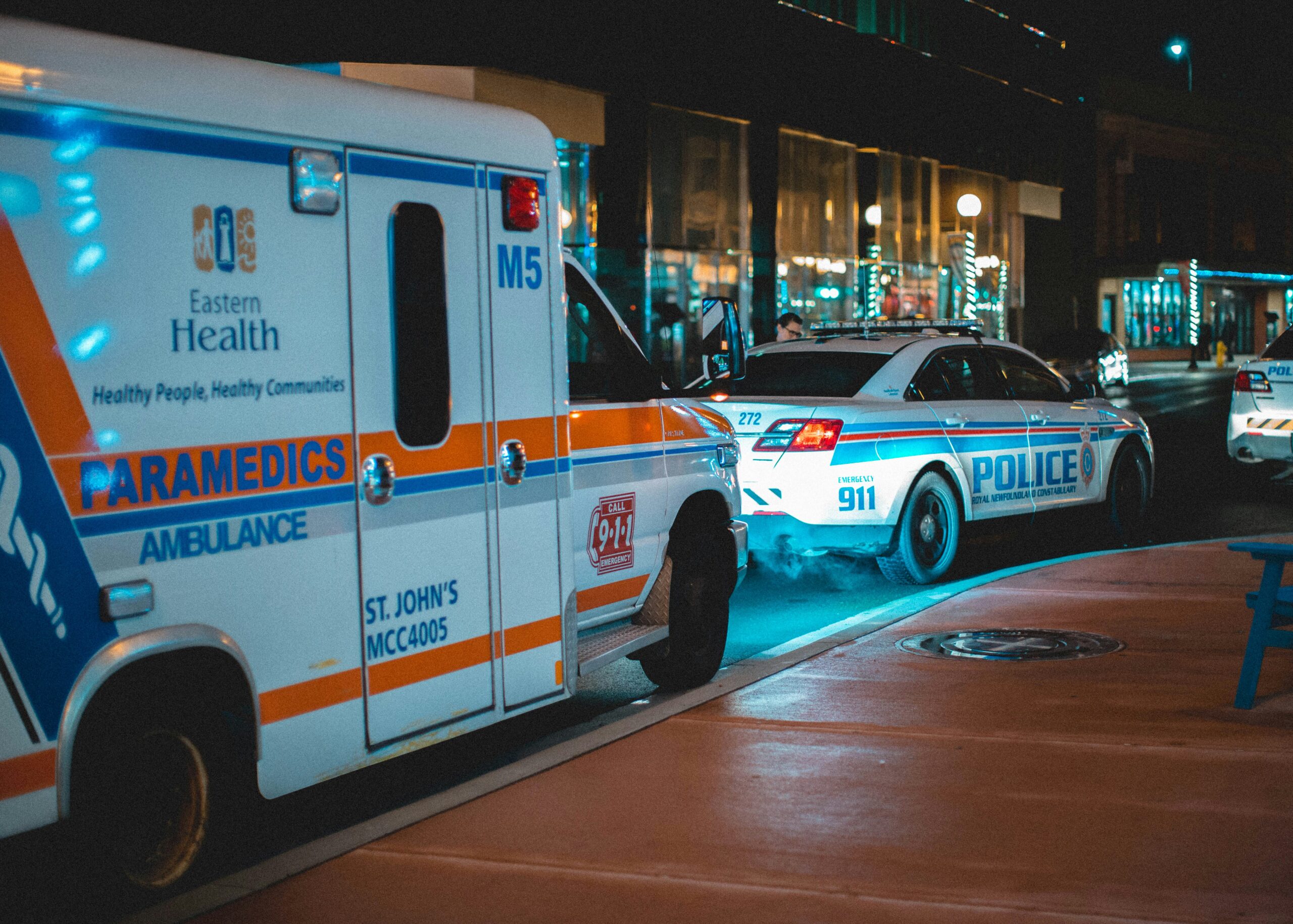
The deployment of six police officers and an ambulance to a Halloween decoration diverts critical resources. Each non-urgent call-out consumes valuable time and personnel that could be urgently needed for actual emergencies elsewhere.
This incident, while seemingly minor, illustrates a broader challenge for public services already operating under pressure. The financial cost of these deployments, alongside potential delays to other urgent calls, affects the public purse and those awaiting life-saving assistance.
Questions about public reporting
The primary question arising from this incident is whether current public guidance adequately addresses situations that might appear alarming but have a benign explanation.
- Are there clearer channels for reporting suspicious but non-imminent situations that could reduce 999 calls?
- What is the estimated cost of deploying multiple emergency vehicles and personnel for such a mistaken call?
- Will West Yorkshire Police issue any specific advice for residents regarding elaborate festive decorations?
Balancing public concern with efficient response
This incident reveals a tension between encouraging public reporting and ensuring the efficient use of emergency services. While the dog walker’s concern was understandable, the outcome highlights the need for a more nuanced approach to reporting perceived threats.
Citizens are rightly encouraged to report anything they genuinely perceive as a danger; this is a cornerstone of community safety. However, the volume of non-critical incidents risks diluting the capacity of emergency services for genuine crises.
Public awareness campaigns could encourage a moment of critical assessment before dialling 999 for situations that might have a benign explanation, especially during festive periods when unusual displays are common.
How decorations affect local services
Anyone planning elaborate Halloween decorations should consider the potential impact on neighbours and local services. While creative displays are part of the fun, ensuring they cannot be easily mistaken for a real emergency could save valuable police and ambulance time.
A simple note explaining the display, or a less ambiguous setup, might prevent a similar situation. For example, ensuring signs are clearly temporary or obviously part of a themed display. This small consideration could make a significant difference to how emergency resources are deployed in your community.