Shoppers can significantly reduce winter heating expenses by finding insulating clothes and home items in second-hand stores.
Charity shops offer winter warming tips
Rachel Cosgrove-Pearce, Oxfam’s retail director, has shared practical advice on finding affordable winter essentials in charity shops. Her tips focus on both clothing and home items, aiming to help people stay comfortably warm without excessive spending as the colder months approach.
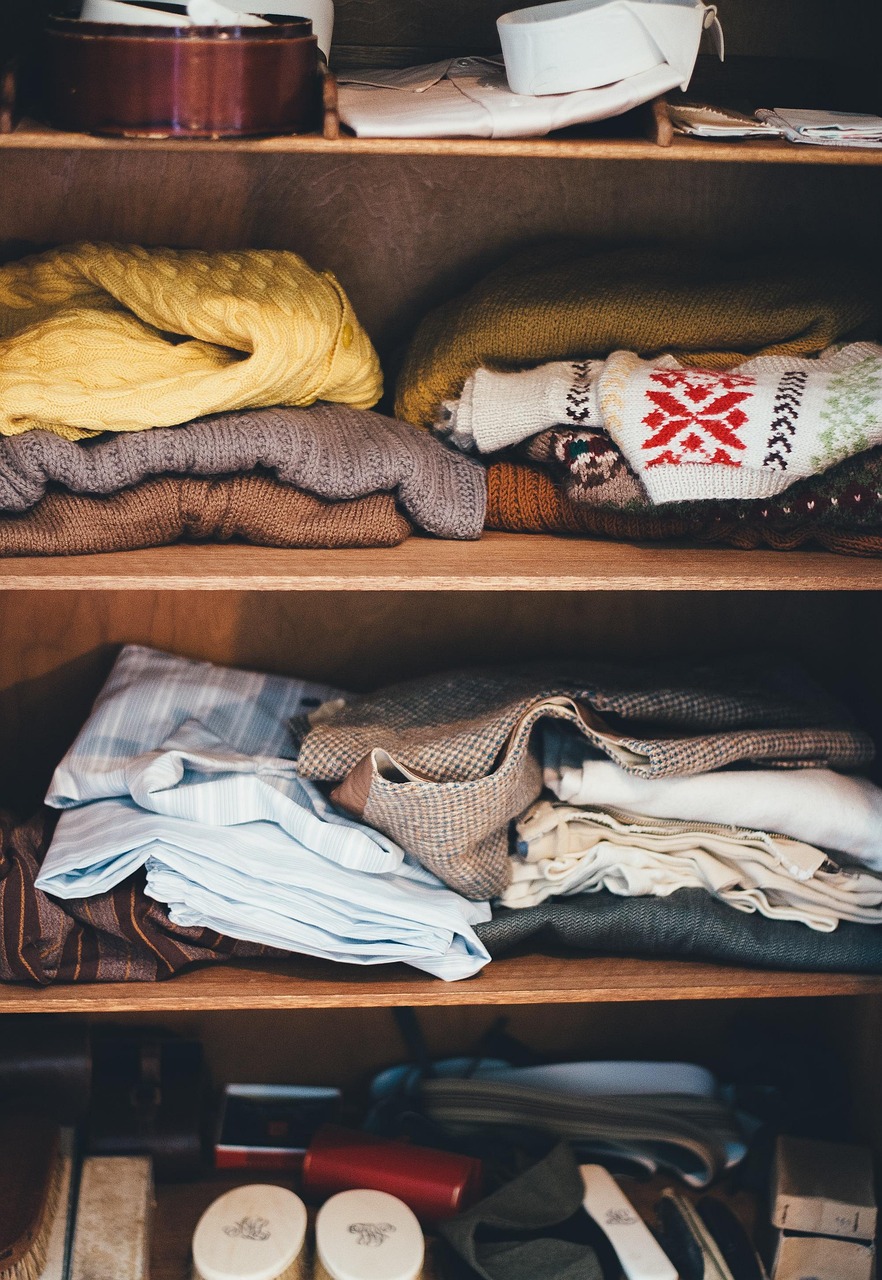
The guidance specifically suggests looking for natural fibres like wool, cashmere, merino, and alpaca when choosing clothes. It also highlights layering thinner garments as a highly effective strategy for keeping out the cold, often more so than a single thick item.
For making homes cosier and more energy-efficient, the advice includes sourcing thick blankets and wool throws. Pre-loved thermal or heavier fabric curtains, along with rugs to cover cold floors and prevent heat loss through cracks, are also recommended as cost-effective finds.
Second-hand finds for warmth
- Clothing materials: Wool, cashmere, merino, and alpaca are specifically recommended for their superior insulating properties and ability to retain warmth effectively.
- Layering items: Fleeces, cardigans, lightweight knitwear, scarves, hats, gloves, and socks are suggested for building effective warm layers that trap air and provide insulation.
- Seasonal items: Christmas jumpers are available in charity shops, with advice to purchase them now, on Saturday 2026-11-07, before demand increases and selection diminishes closer to December.
- Home comfort items: Thick blankets, wool throws, thermal or heavy fabric curtains (such as velvet), rugs to cover cold floors, hot water bottle covers, and draught excluders can all be found affordably.
- Online availability: Oxfam’s online store currently features more than 2,800 women’s jackets and coats, offering a wider selection and convenience beyond traditional physical shops.
Reducing household energy expenditure
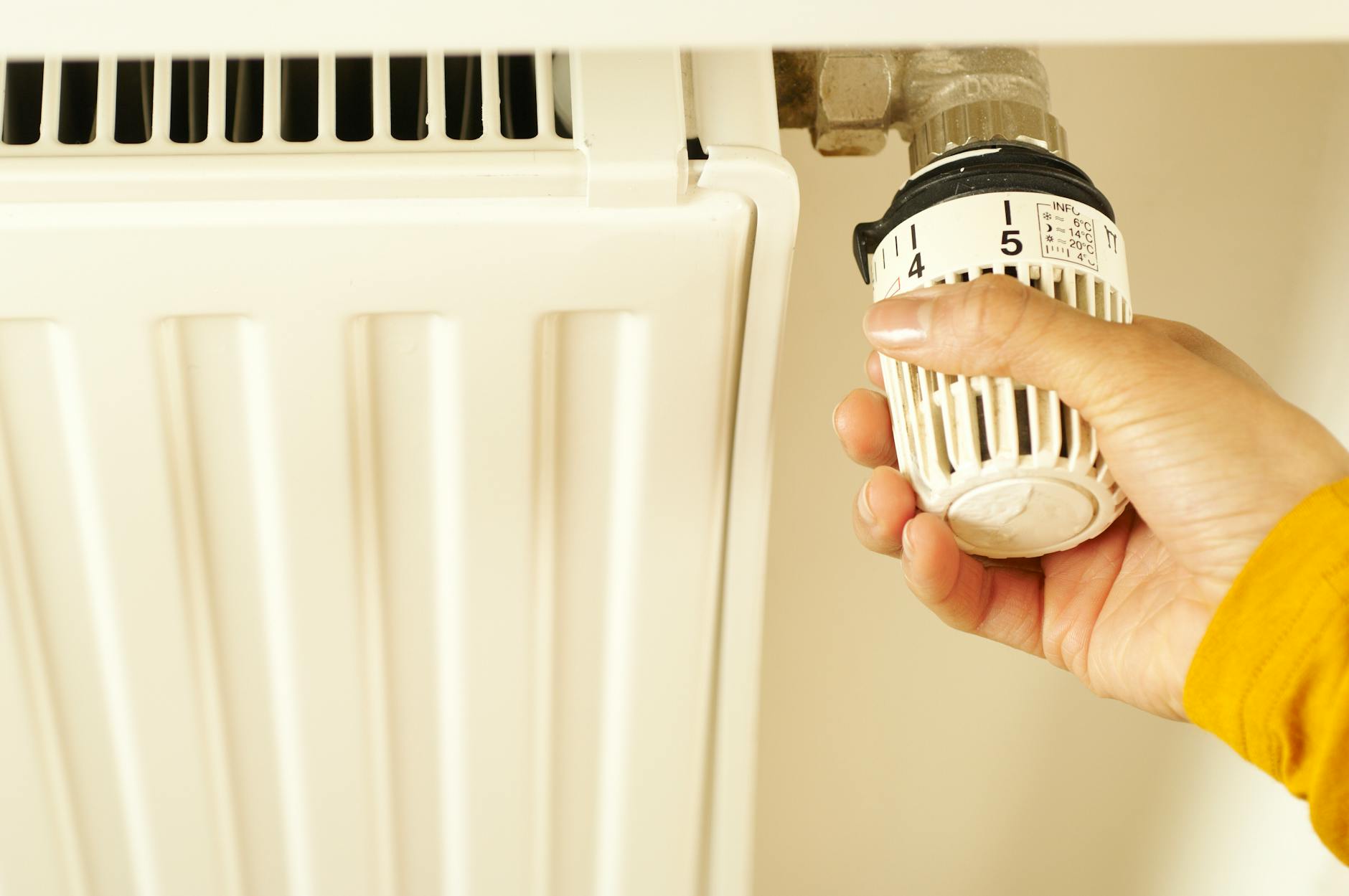
Households can directly reduce their energy bills this winter by adopting these cost-effective strategies, which offer tangible savings. As colder weather approaches, finding affordable ways to keep warm becomes a significant financial consideration for many families across the country.
The advice provides practical, immediate solutions for managing heating costs without compromising comfort. Utilising second-hand goods lessens reliance on expensive new purchases, thereby reducing overall household spending during a period of increased financial pressure.
Beyond immediate monetary savings, this approach actively supports a circular economy and more sustainable consumption patterns. It encourages the reuse of items, which extends their lifespan and significantly reduces waste, aligning well with broader environmental sustainability goals.
The growing second-hand economy
The trend towards second-hand shopping has significantly accelerated in recent years, becoming a prominent feature of consumer behaviour across various demographics. This shift is driven by a powerful combination of economic necessity, as households seek tangible ways to reduce costs, and growing environmental consciousness among consumers who are increasingly aware of their ecological footprint.
This rise reflects a broader societal movement away from fast consumerism and towards more sustainable, circular practices. Popular online platforms like Vinted and Depop, alongside traditional high street charity shops, demonstrate the increasing mainstream acceptance and popularity of pre-loved items as viable and often stylish alternatives to new purchases.
How to find the best second-hand deals
To maximise savings and warmth, readers should prioritise checking fabric labels for natural fibres like wool or cashmere. These materials offer superior insulation and comfort compared to many synthetic alternatives, often available at a fraction of their new retail price.
Anyone planning to buy a Christmas jumper should start their search immediately, on Saturday 2026-11-07, to secure the best options. Charity shops are reportedly putting out their festive stock, and the best selection will undoubtedly diminish closer to December.
Expanding the search to include online charity shops, such as Oxfam’s digital platform, can significantly increase the chances of finding specific items. This offers access to a much wider inventory and greater convenience than relying solely on local physical stores.
Thrift stores provide a vital economic buffer
Charity shops are often viewed simply as places for discounted goods, but their societal role extends far beyond basic retail. They function as crucial economic shock absorbers for households grappling with persistent cost of living pressures, offering practical relief and accessible solutions.
The practical advice on sourcing warm clothing and home insulation from these stores demonstrates their immediate, tangible value to communities. They help families manage essential expenses effectively throughout the colder months, directly impacting household budgets.
This model also champions a more sustainable approach to consumption, fostering a culture of reuse. By making second-hand items both accessible and desirable, charity shops actively challenge the cycle of fast fashion. They present a viable, ethical alternative to constant new purchases, benefiting both individual budgets and the wider environment.