
Food inflation is set to climb further, impacting household budgets as global events and climate issues drive up production costs.
The Food and Drink Federation (FDF) has warned that food inflation is expected to reach nearly 4% by Christmas this year. This upward trend is not projected to stop there, with forecasts indicating a peak of 6.4% by July of next year.
This means that the cost of an average Christmas food shop will be approximately 4% higher than it was last year. The FDF attributes these rising prices to a combination of geopolitical instability, the effects of climate change, and increased regulatory expenses related to packaging and recycling.
The FDF’s latest forecast suggests significant increases in food costs, driven by various global and domestic factors.
- Food inflation is predicted to hit nearly 4% by Christmas and peak at 6.4% by July 2025.
- A £100 grocery shop in January 2020 would now cost £138.60, a 38.6% increase.
- This £138.60 shop is expected to rise by another £8.90, or 6.4%, to £147.50 by July 2025.
- Rising oil prices due to the Iran war, climate change impacts, and regulatory costs are cited as causes.
- Specific commodity price increases include wheat up 45%, cocoa over 100%, rice up 60%, sugar up 27%, and coffee up 22%.
- Droughts in the UK and Europe are straining supplies of fruit, vegetables, and grains.
- The National Audit Office has cautioned the government about preventing food supply chain collapse from shocks like extreme weather or cyber-attacks.
- Environment Secretary Dame Angela Eagle has advised households to stock up on food in preparation for extreme weather linked to El Nino, which could last until February 2027.
Household Budgets Under Renewed Pressure
The projected increase in food prices means households will continue to see their grocery bills grow, directly impacting disposable income and potentially forcing difficult choices for many families. The cumulative effect of inflation since early 2020 has already seen a £100 shop rise to nearly £139, and further increases will compound this strain.
This sustained inflation, predicted to remain above historical averages into 2027, suggests that the period of economic pressure on consumers is far from over. Food is a non-discretionary expense, meaning these price hikes disproportionately affect lower-income households and those already struggling with the cost of living.
How Government Will Address Supply Chain Vulnerabilities
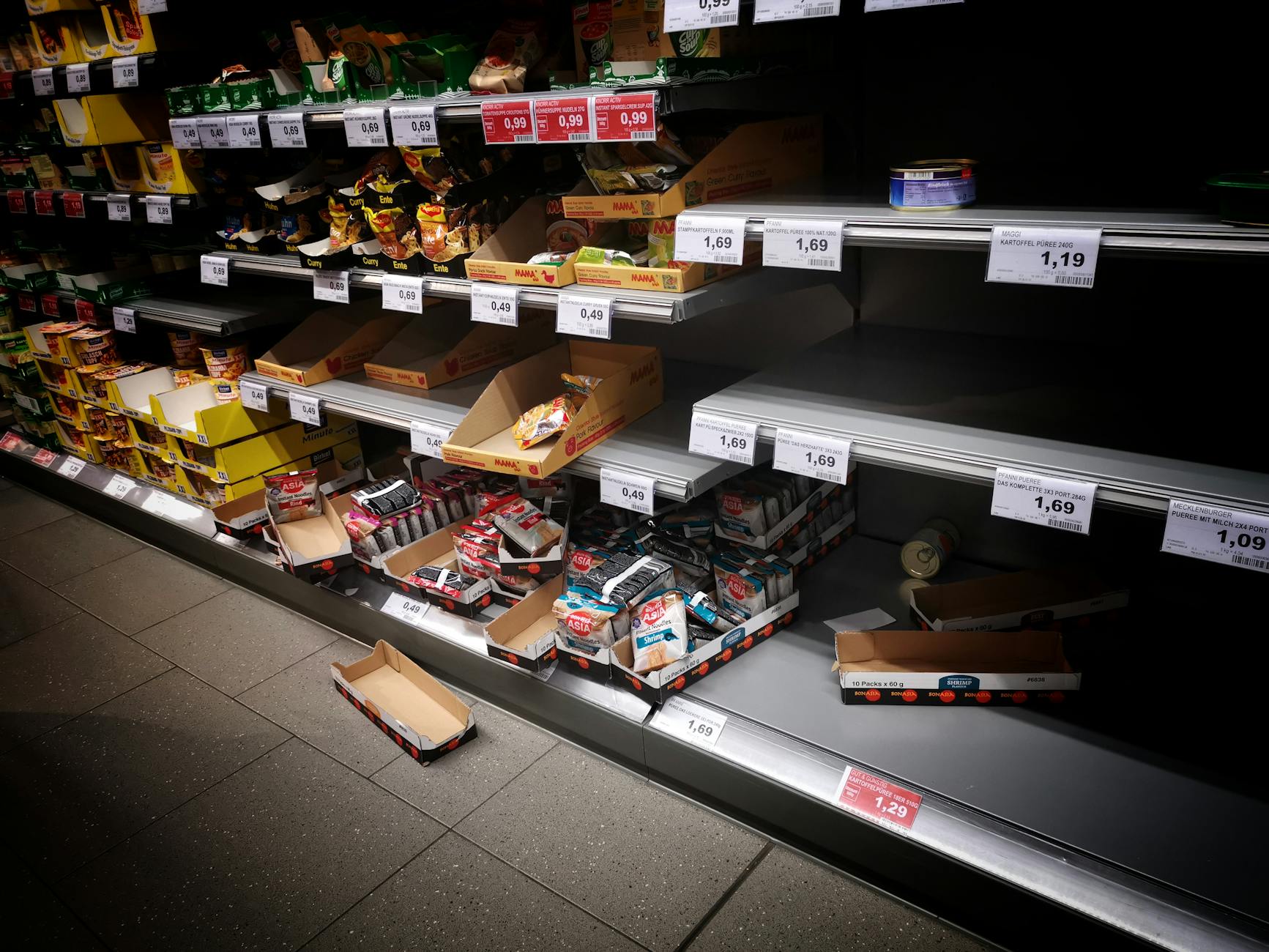
The most pressing question is how effectively the government will implement strategies to prevent the food supply chain from collapsing in the face of future shocks, as warned by the National Audit Office.
While the Environment Secretary has advised households to stock up, this places the burden on individuals rather than addressing systemic vulnerabilities. It remains unclear what specific, large-scale actions are planned to bolster resilience against threats like extreme weather, cyber-attacks, or disease outbreaks, especially with El Nino predicted to be unusually strong.
Global Instability’s Echoes in Local Groceries
This forecast reflects a broader pattern where global geopolitical events and climate change directly translate into local economic impacts, particularly on essential goods like food. The mention of the Iran war’s effect on oil prices, which then influences manufacturing and energy costs, mirrors how international conflicts, like the war in Ukraine, have previously disrupted global grain supplies and fertilizer markets.
Similarly, the impact of droughts in the UK and Europe on fruit, vegetable, and grain costs aligns with a growing trend of climate-related agricultural disruptions seen worldwide. From floods in Pakistan affecting rice harvests to heatwaves in North America impacting corn yields, these events demonstrate how interconnected global food systems are and their vulnerability to environmental shifts.
Proactive Policy, Not Just Personal Stockpiles, Is Needed
The FDF’s warning about sustained food inflation and the National Audit Office’s concern over supply chain resilience paint a concerning picture. While individual preparedness, such as stocking up for El Nino, has a place, it cannot be the primary government response to systemic vulnerabilities.
Relying on households to absorb the impact of global and climate shocks through personal stockpiles is an inadequate and inequitable solution.
Instead, the focus should be on robust, long-term policy interventions that build resilience into the food system itself. This means investing in diversified supply chains, supporting sustainable agricultural practices that mitigate climate impacts, and developing clear strategies to protect against cyber threats.
A truly resilient food system requires government leadership in fostering innovation and collaboration across the entire supply chain, rather than simply advising citizens to brace for impact.
Planning Your Household Budget Through 2027
Anyone managing a household budget should anticipate continued upward pressure on food costs, with prices expected to remain significantly elevated until at least February 2027.
This means that strategies for managing grocery expenses, such as meal planning, buying in bulk when possible, or seeking out seasonal produce, will become even more critical in the coming years.
The advice to stock up on certain items due to potential extreme weather events, particularly with the strong El Nino forecast, might offer some short-term mitigation for households. However, the broader implication is a need for sustained financial planning to accommodate a new normal of higher food prices, rather than viewing current inflation as a temporary blip.