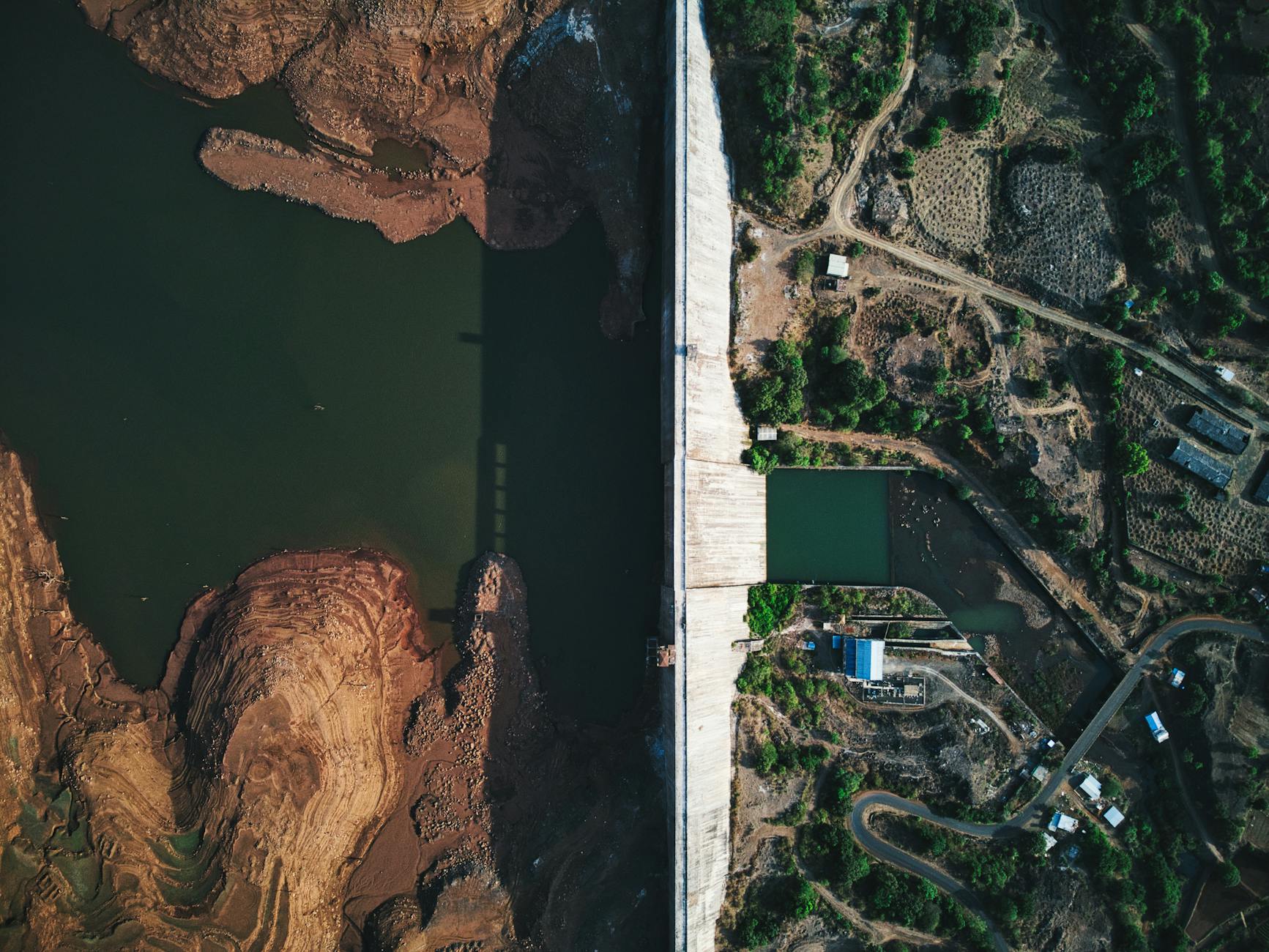
South East Water removes hosepipe exemptions and seeks business bans, impacting thousands of households and local firms.
South East Water tightens Sussex restrictions
Thousands of households in Sussex face significantly tougher water restrictions from October 9, as South East Water implements stricter rules. This move removes many existing exemptions from the current hosepipe ban, affecting a wide range of customers. The company serves approximately two million people.
Previously, certain groups, including elderly people, Blue Badge holders, and those with disabilities or chronic illnesses, were exempt from hosepipe bans. These individuals could use hosepipes for watering gardens or washing paths if they were physically unable to lift heavy watering cans. These allowances are now being withdrawn.
Similarly, taxi drivers, window cleaners, and mobile car valeters were permitted to use hosepipes for their professional duties. From October 9, these occupational exemptions will also be removed. South East Water states that exemptions will only be granted where there are clear health, safety, or welfare reasons, requiring individual assessment.
In addition to household changes, South East Water has applied for a “non-essential use” ban, which primarily targets businesses. If approved, this would prevent commercial operations like car washes, window cleaning services, and dust suppression on construction sites from using water for specific activities. Environment Secretary Angela Eagle must approve this application before it can proceed.
The water company has communicated to its customers that its Sussex reservoir levels are “extremely low.” It stressed the need to prepare for potential lower-than-average rainfall throughout the upcoming autumn and winter seasons.
Drought’s impact on water supplies
The UK’s water infrastructure is under considerable pressure, with reservoir levels across England far below typical seasonal averages. This follows a prolonged period of exceptionally dry weather.
- South East Water’s Sussex region received just over 56% of its expected rainfall between March and August.
- September 2026 marked the sixth consecutive month this year with lower-than-usual rainfall across England.
- Most of England’s reservoirs are currently less than half full. They would typically be around three-quarters full at this point in the year.
- Specific examples include Ardingley reservoir in West Sussex, which is only 23% full, and Wimbleball reservoir in Somerset, at 21% capacity.
- Despite recent cooler temperatures, the country’s overall water demand remains higher than anticipated for this time of year, contributing to the ongoing strain on supplies.
The dry summer’s lingering effects
The decision by South East Water comes after a particularly hot and dry summer across the UK. Millions of people have already been living under hosepipe bans for several months. This year’s rainfall deficit has created a substantial challenge for water companies.
Despite recent cooler temperatures, water demand remains higher than expected for this time of year. Officials from the National Drought Group warned that reservoir storage is likely to continue declining throughout the rest of 2026 without significant intervention. The current measures aim to prevent further drops in supply.

Daily life and local businesses face disruption
The removal of hosepipe exemptions directly impacts vulnerable households who rely on them for essential tasks. Elderly residents or those with disabilities may now struggle to maintain gardens or clean outdoor spaces without physical assistance. This shift places a greater burden on individuals.
For businesses such as car washes and window cleaners, a “non-essential use” ban could severely curtail operations. These companies depend on water for their core services, and restrictions could lead to significant financial losses. The economic ripple effects could be felt across local communities dependent on these services.
Environment Secretary’s decision looms
The most immediate unanswered question is whether Environment Secretary Angela Eagle will approve South East Water’s application for a “non-essential use” ban. Her decision will set a precedent for other water companies facing similar pressures.
- Will other water companies follow South East Water’s lead in tightening household exemptions?
- What specific criteria will Angela Eagle use to evaluate the “non-essential use” ban application?
- How much rainfall is truly needed over autumn and winter to reverse the current reservoir deficits?
- What long-term strategies are being developed to prevent such severe water shortages in future dry periods?
Water companies under scrutiny
This situation reflects a broader pattern of water companies struggling to manage resources effectively during periods of drought. Several major providers, including Thames Water and Anglian Water, already have hosepipe bans in place. The current crisis brings renewed focus on their operational resilience.
Water Minister Emma Hardy has called for “fundamental reform” of the water sector, highlighting concerns about companies’ ability to deliver for the public interest. This echoes past criticisms regarding infrastructure investment and leakage rates. The pressure is mounting for systemic improvements beyond temporary restrictions.
Beyond individual sacrifice, systemic change is vital
While necessary in the face of severe drought, tightening water restrictions on households and businesses feels like a short-term solution to a long-term problem. Asking individuals and small firms to bear the brunt of conservation efforts, while crucial, distracts from the deeper issues within the water sector.
The Water Minister’s call for “fundamental reform” is a recognition that companies must do more. Fixing leaks, reducing demand through better infrastructure, and implementing robust contingency plans should be paramount. Relying solely on public restraint risks eroding trust and fairness.
A truly sustainable approach requires significant investment in infrastructure and proactive management of resources. The public’s efforts to conserve water must be matched by demonstrable action from water companies to secure future supplies. Without this, these restrictions will become an annual occurrence.
Crucial decisions in the coming weeks
All eyes will be on Environment Secretary Angela Eagle as she considers South East Water’s application for a “non-essential use” ban. Her decision will signal the government’s stance on escalating drought measures.
- The exact date of Angela Eagle’s decision on the business water ban.
- Any announcements from other water companies regarding similar tightened restrictions or business bans.
- Updated rainfall forecasts for the autumn and winter months, which will dictate future water security.
- Government statements on water company performance and plans for long-term drought resilience.
Your water use could change soon
Even if you are not a South East Water customer in Sussex, these developments could soon affect your daily routine. The precedent set by removing exemptions for vulnerable groups may be adopted by other water companies if drought conditions persist. This could mean fewer allowances for specific needs.
Businesses that rely on water, such as car washes or cleaners, should monitor local water company announcements closely. The potential for “non-essential use” bans could force operational changes or temporary closures. Planning for reduced water availability is becoming increasingly important for everyone.