Russian forces bombed a school in Ukraine used for humanitarian aid on Monday, killing 24 civilians and raising global alarm over deliberate targeting.
Deadly strike on Komyshuvakha aid centre
Russian forces launched a devastating aerial attack on a school in Komyshuvakha, a village in southeastern Zaporihzhia, on Monday. The building was actively serving as a crucial humanitarian aid distribution point, providing essential supplies to local residents.
Ukrainian President Volodymyr Zelensky reported that at least 24 civilians died in the strikes, describing the attack as “utterly horrific.” Five people were also injured, and 27 individuals remain unaccounted for following the intense bombardment.
The attack involved a “double-tap” strike, a concerning tactic where the same location is hit multiple times, often targeting emergency responders. After an initial bomb, nine more 3,000kg aerial bombs specifically targeted a shelter where people sought refuge.
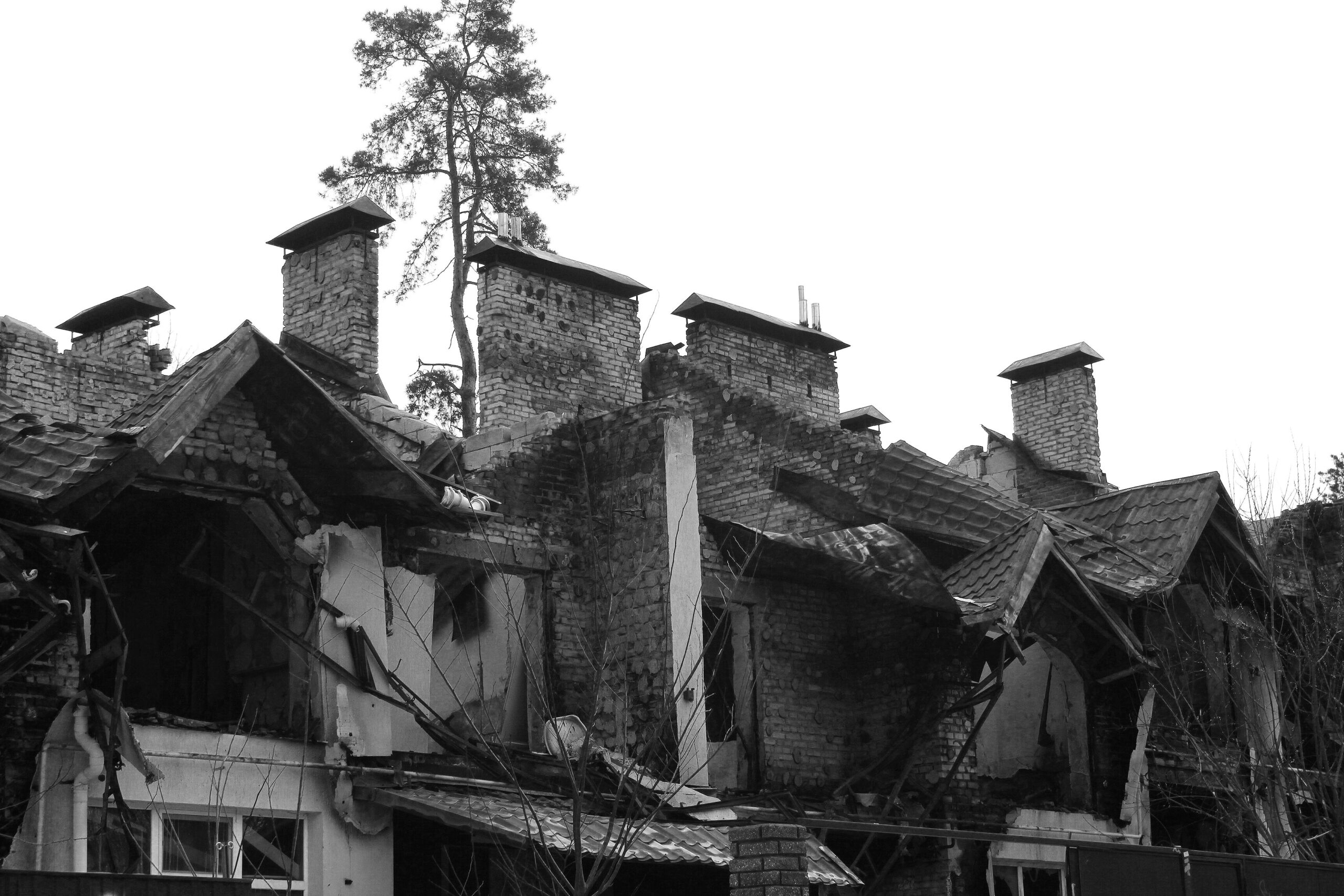
Regional official Mykhailo Semikin confirmed the use of these heavy bombs, which left a huge, smouldering crater. Rescue teams are still tirelessly searching through the rubble for survivors, with many feared trapped beneath the debris.
President Zelensky expressed outrage, stating the Russians “could not have been unaware” of the school’s humanitarian purpose. He called for a strong international response to these killings, asserting that Russia is counting on more deaths.
Civilian casualties and bomb details
The attack on the Komyshuvakha school resulted in significant loss of life and widespread destruction, drawing strong condemnation from Ukrainian officials and President Zelensky himself.
The incident occurred on Monday in the southeastern Zaporihzhia region, a frontline area that has seen extensive conflict and previous civilian casualties.
- At least 24 civilians were confirmed killed in the aerial bombardment.
- Five people sustained injuries during the strikes, requiring immediate medical attention for various wounds.
- Twenty-seven individuals are still missing, with rescue efforts continuing around the clock amid the wreckage.
- Nine 3,000kg aerial bombs hit the village, according to regional official Mykhailo Semikin, causing immense damage.
- The attack was described as a “double-tap” strike, hitting the same location at least twice to maximise impact.
Targeting aid centres violates international norms
The deliberate targeting of a humanitarian aid centre carries severe implications for civilian protection in conflict zones. Such actions directly contravene established international laws designed to safeguard non-combatants and aid workers.
President Zelensky stated that Russian forces “could not have been unaware” of the school’s use for aid distribution. If confirmed, this suggests a deliberate act against a protected site, potentially constituting a war crime.
Attacks on humanitarian infrastructure create a chilling effect on aid operations. They deter organisations from delivering vital assistance in dangerous areas, leaving vulnerable populations without essential support.
Russia’s silence on the attack
Several critical questions remain following the devastating strike on Komyshuvakha, most notably regarding Russia’s official position and the path to accountability.
- What is Russia’s official explanation for the attack on the Komyshuvakha school, if any, given its stated purpose as an aid centre?
- Will international bodies launch an independent investigation into the alleged targeting of a humanitarian site and the use of “double-tap” strikes?
- How will this incident impact future humanitarian operations and the establishment of safe aid corridors in Ukraine?
Escalation tactics and cyber warfare
The Komyshuvakha attack aligns with a broader pattern of escalating conflict tactics, including the targeting of civilian infrastructure. This mirrors previous reports of similar incidents in other Ukrainian cities since the conflict began, such as the Mariupol theatre bombing in 2022.
The “double-tap” strike method itself is a concerning tactic. It aims to maximise casualties by hitting first responders and those seeking shelter after an initial blast, increasing the human cost.
Parallel to the physical attacks, a wave of cyberattacks has also emerged. Hoax emergency alerts warning of nuclear and chemical threats were sent to millions in both Russia and Ukraine just hours before this incident.
These cyber incidents suggest a coordinated hybrid warfare strategy. They aim to sow panic and disrupt critical communication channels alongside conventional military operations, adding another layer of complexity to the conflict.
Deliberate targeting demands a unified global response
The attack on the Komyshuvakha school, particularly its use as an aid centre, represents a grave escalation of the conflict. It moves beyond military objectives into the realm of direct assault on civilian life and humanitarian efforts.
President Zelensky’s assertion that Russia knew the building’s purpose is critical. If true, this is not merely collateral damage but a calculated act of terror, designed to break civilian morale and hinder essential aid.
The international community’s response must reflect the severity of this alleged war crime. Vague condemnations are insufficient; concrete actions are needed to deter further such atrocities and ensure accountability.
Sanctions must be tightened, and mechanisms for international justice strengthened. Failing to act decisively will only embolden those who disregard the laws of war and prolong suffering.
International reactions and further military moves
The immediate aftermath of the Komyshuvakha attack will be closely scrutinised for signs of global reaction and shifts in military strategy, particularly concerning civilian protection.
- Will there be a stronger, unified condemnation from major international bodies like the UN or the EU, potentially leading to new resolutions?
- How will this incident influence the supply of humanitarian aid and military support to Ukraine from its allies?
- Will Russia offer any official statement or justification for the strike, or will it maintain its current silence on the matter?
- What impact will the recent wave of cyberattacks have on future information warfare tactics and public trust in emergency systems?
Impact on global aid efforts and donations
The targeting of humanitarian aid centres directly impacts the ability of global organisations to deliver assistance. This makes it harder for donations to reach those in need, potentially reducing the effectiveness of charitable giving.
Readers who support humanitarian causes in Ukraine might find their contributions face increased logistical challenges and risks. The safety of aid workers becomes a paramount concern for all involved in such efforts.