Jose Mourinho’s Real Madrid will play Champions League matches at Stamford Bridge, but not against Chelsea, due to a unique hosting agreement.
Jose Mourinho, now in his second tenure as Real Madrid’s manager, is set to return to Stamford Bridge. This return is not to face his former club, Chelsea, but because Real Madrid has been drawn against Shakhtar Donetsk in the Champions League group stage.
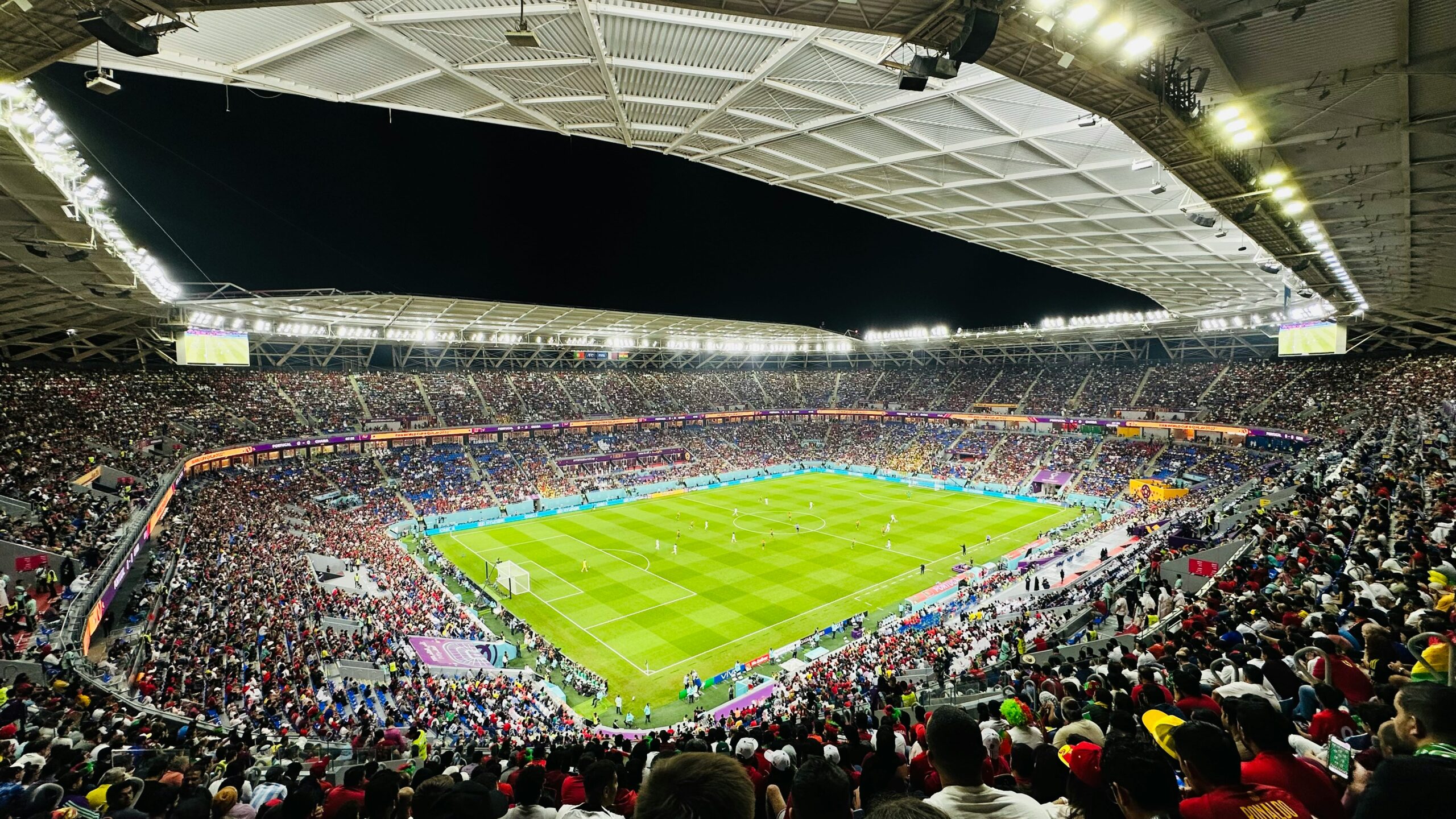
Due to the ongoing conflict in Ukraine, Shakhtar Donetsk will play its ‘home’ Champions League matches at Chelsea’s Stamford Bridge stadium in West London.
This arrangement means Mourinho will occupy the away dugout, a situation he experienced previously when Benfica played at Chelsea last year. Chelsea itself did not qualify for any European competitions this season, but secured an agreement to host Shakhtar’s European fixtures. The Ukrainian club has been displaced from its Donbas Arena since 2014, previously hosting games in Germany and Poland.
- Jose Mourinho’s Real Madrid will play Champions League matches at Stamford Bridge.
- The matches are Shakhtar Donetsk’s ‘home’ fixtures, relocated due to the war in Ukraine.
- Chelsea, not qualified for European football, agreed to host Shakhtar’s games.
- Mourinho previously managed Chelsea and also faced them at Stamford Bridge with Benfica last season.
- Real Madrid’s Champions League group includes Shakhtar Donetsk, Inter Milan, and Roma.
- Mourinho has won European silverware with both Inter Milan and Roma, adding further reunions to his schedule.
- Former Chelsea players N’Golo Kante and Romelu Lukaku are also expected to return to Stamford Bridge with their respective clubs for other Shakhtar-hosted matches.
Shakhtar’s Decade-Long Displacement
The decision for Shakhtar Donetsk to host its Champions League matches at Stamford Bridge is a direct consequence of the war in Ukraine, a situation that has forced the club into nomadic existence for nearly a decade. Since 2014, when conflict first displaced them from their home ground, the Donbas Arena, Shakhtar has played its ‘home’ European fixtures in various locations across Europe.
This includes stints in Hamburg, Schalke, and Poland’s Wisla Krakow in recent seasons. This latest move to West London underscores the persistent challenges faced by Ukrainian sports teams in maintaining competitive play amidst geopolitical instability, requiring continuous adaptation and reliance on international solidarity.
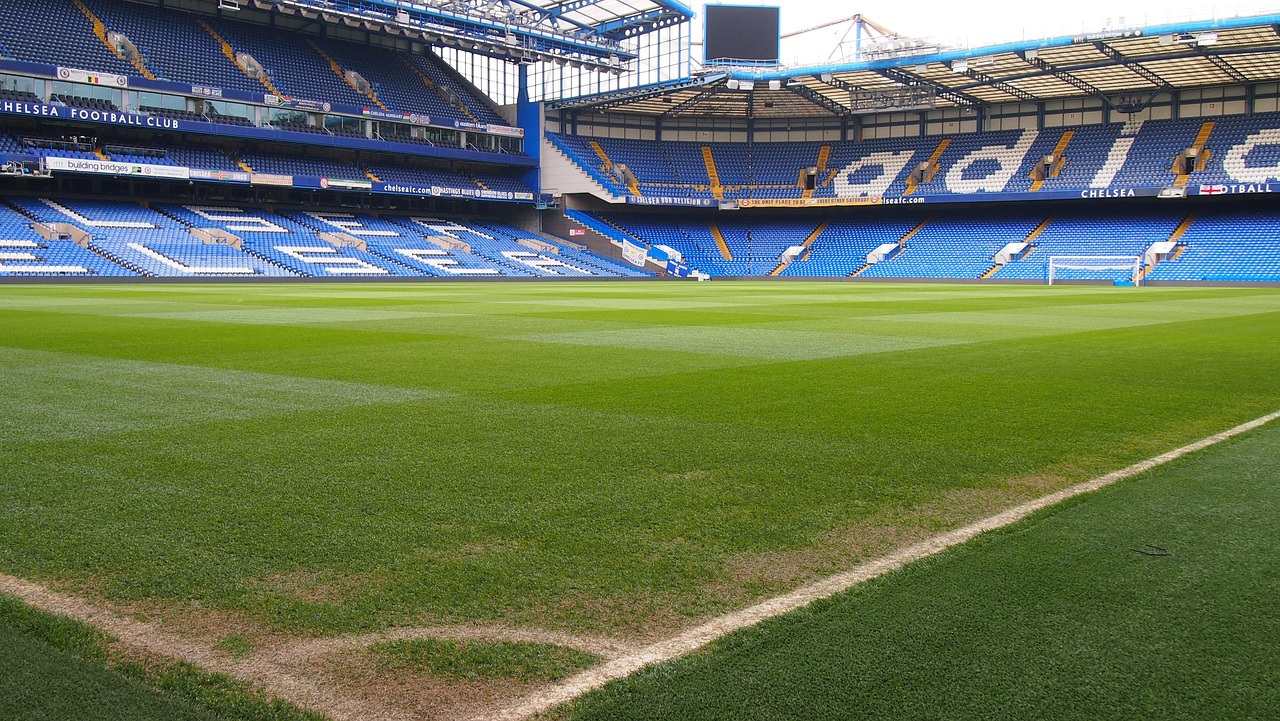
Stamford Bridge Becomes a Neutral European Hub
The agreement for Chelsea to host Shakhtar Donetsk’s Champions League matches transforms Stamford Bridge into a temporary neutral venue for elite European football, impacting the competitive landscape and fan experience.
For Shakhtar, this arrangement provides a high-profile, world-class stadium to fulfill its European commitments, offering a degree of stability in challenging circumstances. For Chelsea, it generates revenue and keeps the stadium active on European nights, even without their own team’s participation. The presence of top-tier clubs like Real Madrid, Inter Milan, and Roma, along with returning figures like Jose Mourinho, N’Golo Kante, and Romelu Lukaku, ensures that London remains a focal point for major European football, drawing significant attention and attendance from both Ukrainian and English fans.
The Parties Involved and Their Interests
- Shakhtar Donetsk: The Ukrainian club gains a prestigious, safe, and high-quality venue in Stamford Bridge to host its crucial Champions League matches. This ensures their continued participation in Europe’s top club competition despite being unable to play at home, providing vital revenue and maintaining their sporting profile. They risk logistical challenges in relocating staff and fans.
- Chelsea Football Club: Chelsea benefits financially from the hosting agreement, generating revenue from stadium usage, ticketing, and concessions during European nights when their own team is not competing. This helps offset the lack of European income from their own non-qualification. They risk potential wear and tear on their pitch and facilities, though this is likely mitigated by the agreement.
- Real Madrid: For Real Madrid, the primary impact is a change in travel destination for their ‘away’ match against Shakhtar, shifting from a potentially more distant or politically sensitive location to London. While not ideal for a truly neutral venue, it offers a familiar, high-standard playing environment. They lose the traditional home-field advantage Shakhtar would have had.
- Jose Mourinho: The Real Madrid manager experiences a unique return to a stadium where he holds significant history, albeit in the away dugout and not against Chelsea. This adds a layer of personal narrative to Real Madrid’s Champions League campaign, potentially drawing extra media attention. He risks an emotionally charged atmosphere in a familiar setting.
Future Hosting Arrangements for Shakhtar
The most pressing question is the long-term viability and location of Shakhtar Donetsk’s ‘home’ European matches beyond the current Champions League season. While Stamford Bridge offers a temporary solution, it is unclear if this arrangement is sustainable or if other venues will be sought for future competitions, especially if the conflict in Ukraine persists.
Furthermore, the financial specifics of the agreement between Chelsea and Shakhtar have not been disclosed, leaving questions about the profitability for both clubs and the potential precedent this sets for other displaced teams.
A Pragmatic Solution with Poignant Undertones
This arrangement, while seemingly a straightforward logistical solution, carries a poignant undertone that transcends mere football. It highlights the enduring impact of geopolitical conflict on sports, forcing clubs like Shakhtar Donetsk into a perpetual state of displacement.
While Chelsea’s willingness to host is commendable and financially beneficial for them, it also serves as a stark reminder of the privilege of stability. Mourinho’s return, coupled with other former Chelsea players, adds a layer of nostalgia, but it shouldn’t overshadow the underlying reason for Shakhtar’s presence. I believe such agreements, while necessary, should prompt deeper reflection on how international sporting bodies can provide more robust, long-term support for clubs operating under duress, beyond simply finding a temporary pitch.
The Champions League Group Stage Unfolds
- Observe the attendance figures and atmosphere at Stamford Bridge for Shakhtar’s ‘home’ matches, particularly the Real Madrid fixture.
- Monitor the performance of Shakhtar Donetsk in the Champions League, noting how the neutral venue impacts their results.
- Watch for any further announcements regarding Shakhtar’s future European hosting arrangements beyond the current season.
Mourinho’s Multiple Reunions
Beyond the Stamford Bridge return, Jose Mourinho’s Champions League group stage draw presents a series of notable reunions. Real Madrid is pitted against Inter Milan and Roma, two Italian giants where Mourinho previously achieved significant European success.
He won the Champions League with Inter Milan and the inaugural Europa Conference League with Roma. These fixtures will see him face former clubs and potentially former players, adding a layer of personal history and competitive intrigue to Real Madrid’s campaign, alongside the unexpected trip to West London.