Manchester United’s 4-4 draw with Aston Villa laid bare a defensive collapse and intensified fan anger against the club’s ownership and direction.
Eight-goal thriller at Old Trafford
Manchester United endured a chaotic 4-4 draw against Aston Villa on Sunday, a match that saw both teams hold two-goal leads. Villa launched a brutal attack, with Alysson and Nicholas Jackson putting them two goals ahead inside the first four minutes.
This early setback immediately put United under intense pressure, setting a frantic tone for the entire fixture.
Bruno Fernandes converted a penalty, and Youri Tielemans scored his first United goal, dragging the hosts level. However, Villa quickly re-established a two-goal advantage less than ten minutes later. This demonstrated a persistent defensive fragility within the United squad, unable to hold their ground.
The drama continued into injury time, where Joshua Zirkzee and Patrick Dorgu found the back of the net, helping Aston Villa secure a point. This late flurry of goals ensured the match ended in a draw, a result described as messy by United’s reporter Katherine Walsh, highlighting the widespread disarray on the pitch.
United’s defensive record and fan unrest
The recent Aston Villa match underscored significant issues both on and off the pitch for Manchester United. The 4-4 draw was accompanied by palpable fan frustration aimed at the club’s ownership and management, with protests visible throughout Old Trafford.
The club’s defensive record has been particularly alarming this season, contributing to their struggles. This vulnerability has directly impacted their league position and overall performance in various competitions.
- Manchester United has conceded 30 goals across all competitions this season, a record worse than all but one club in Europe’s top five leagues.
- The team has shipped 15 goals in its last five games, including a 4-1 defeat in Como.
- Manager Michael Carrick has accumulated eight points from ten games.
- Fans displayed a sign in the Stretford End stating, “We don’t want a new stadium, we want new owners.”
- Gold and green balloons, bearing anti-Glazer messages, were floated towards the directors’ box, where Jason Wilcox and Omar Berrada were present, attempting to ignore the dissent.
Relegation threat looms for United
Manchester United’s current position in the relegation places represents a significant crisis for the club, threatening its financial stability and global standing. This unprecedented decline demands immediate and decisive action from the hierarchy. The consequences extend far beyond mere league position.
The team’s inability to keep a clean sheet in the league this season points to a systemic defensive failure, undermining any attacking prowess. This constant vulnerability means that even strong offensive performances are often nullified by recurring defensive lapses.
Beyond the pitch, the intensifying fan protests signal a deep-seated dissatisfaction with the club’s direction and ownership. This erosion of trust could have long-term consequences for supporter engagement and commercial appeal, impacting future revenue streams.
Owners face mounting pressure from supporters
The widespread fan discontent at Old Trafford reflects a growing trend in English football where supporters are increasingly vocal about club ownership and management. This is not an isolated incident but part of a broader movement for greater accountability. Fans are demanding more say.
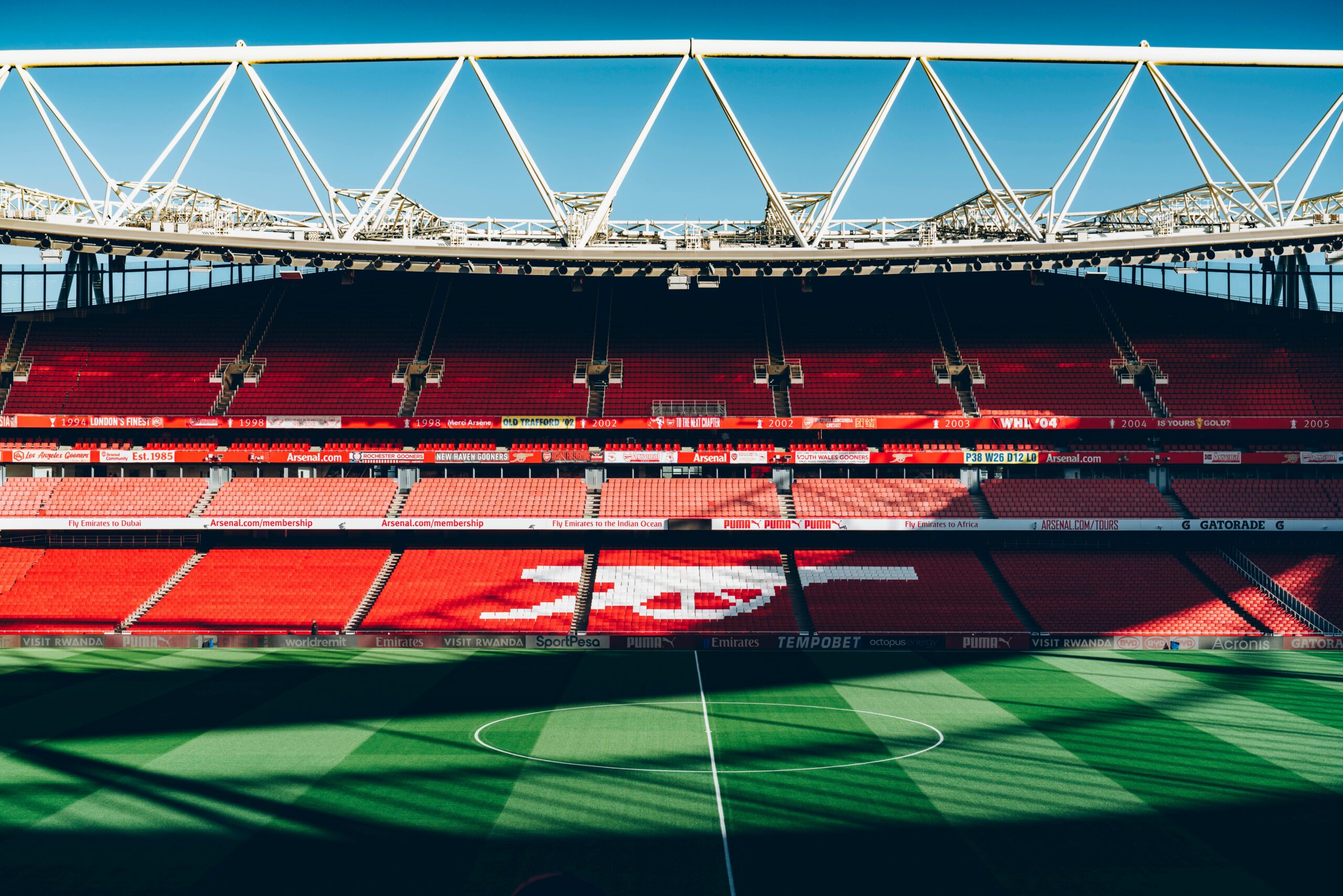
Similar fan-led movements have been observed at other major clubs, such as the protests by Arsenal fans against Stan Kroenke, or the sustained pressure on Fenway Sports Group at Liverpool. These examples highlight a collective demand for owners to prioritise sporting success and club values over purely commercial ventures.
Sir Jim Ratcliffe, despite his minority co-ownership, is already facing scrutiny regarding his long-term plans, including a proposed new stadium by 2035. This early backlash suggests that new investment alone will not appease a fanbase demanding fundamental change and immediate results.
Who will fix the defensive shambles?
The most pressing question facing Manchester United is who will ultimately be responsible for addressing the club’s severe defensive crisis. The current instability leaves many uncertainties regarding future leadership and strategic direction for the team.
- Will manager Michael Carrick be given the resources and time to implement the promised defensive rebuild in summer 2027, or will a change in management precede it?
- How will the Glazer family and Sir Jim Ratcliffe respond to the escalating fan protests and the team’s poor league position?
- What specific plans are in place to replace out-of-contract defenders like Luke Shaw, Harry Maguire, and Lisandro Martinez?
Emotional investment tested for fans
For Manchester United supporters, the ongoing chaos directly impacts their emotional investment and sense of identity tied to the club. The current struggles challenge the very fabric of what it means to be a Red Devils fan, creating significant distress.
Fans are being asked to maintain their unwavering support while witnessing a team in the relegation zone and a club hierarchy seemingly preoccupied elsewhere. This creates a difficult dilemma for loyal followers, testing their patience and commitment to the team.
The demonstrations, including banners and chants, show supporters are actively seeking to influence the club’s future. Their actions highlight a desire for their voices to be heard in shaping the direction of their beloved team, demanding more than just attendance.
United needs immediate defensive overhaul, not just a stadium
Manchester United’s defensive collapse is not merely a tactical problem but a deep-seated structural flaw that requires immediate and decisive intervention. Waiting until summer 2027 for a promised “rebuild” is an unacceptable delay given the club’s current predicament and league standing.
Sir Jim Ratcliffe’s ambitious plans for a new “Wembley of the North” by 2035, while potentially beneficial long-term, fail to address the urgent on-field crisis. A state-of-the-art stadium will mean little if the team is consistently battling relegation year after year. Sporting success must come first.
The club must prioritise a significant defensive overhaul in the upcoming transfer windows, even if it demands substantial financial outlay. Failure to act swiftly risks not only further sporting humiliation but also permanently alienating a fanbase whose patience is clearly exhausted and demanding change.
The crucial trip to Liverpool
The immediate focus for Manchester United will be their challenging away fixture against Liverpool following the international break. This match represents a critical test of the team’s resolve and tactical adjustments under immense pressure.
- Will manager Michael Carrick implement specific defensive strategies to mitigate the team’s vulnerability, or will they continue to play off individual “moments”?
- How will players like Diogo Dalot, who faced significant criticism, perform under intense pressure in a high-stakes derby?
- What signals will the club’s hierarchy send regarding their commitment to addressing the immediate on-pitch issues ahead of the transfer window?