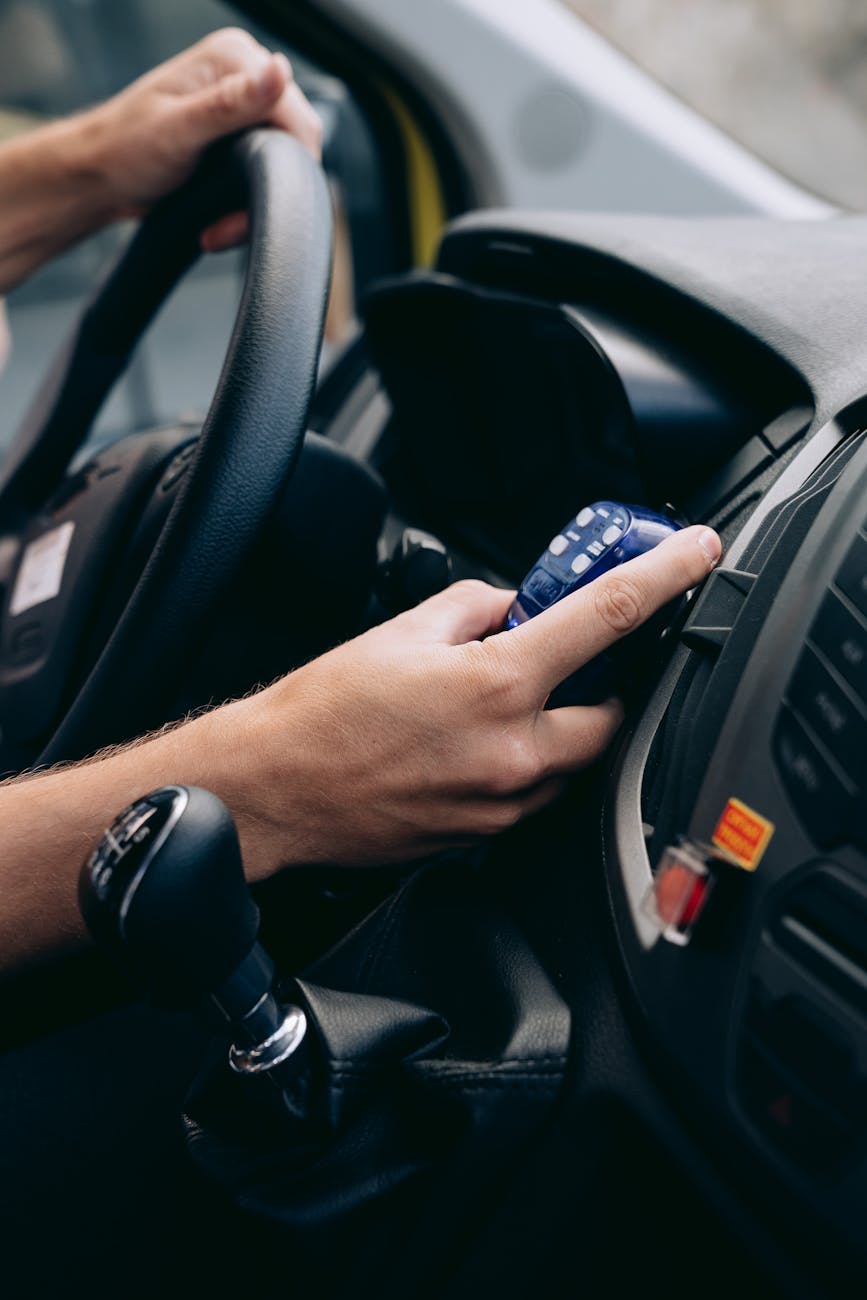
A motoring expert reveals a three-button method to quickly clear car windscreens, helping drivers avoid substantial fines and penalty points for obstructed views.
Expert advice on clearing windscreens
A motoring expert has outlined a three-step method for drivers to rapidly clear foggy car windscreens. This advice comes as colder weather often leads to condensation issues, making clear visibility a daily challenge for many.
Ben Custard, an expert at Motorpoint, advises drivers to utilise their car’s air conditioning system. He explains that the AC acts as a dehumidifier, drying the air inside the vehicle. This function is effective even in low temperatures.
The second step involves turning off the air recirculation function. This setting, typically shown as a curved arrow within a car outline, should be switched off to allow the car to draw in drier fresh air from outside. Leaving it on is a common error that hinders demisting.
Finally, drivers should engage the dedicated defrosting and demisting function. This button, often depicted with a windscreen and three upward arrows, directs a powerful blast of air directly at the glass. These three actions, used together, are described as a highly effective way to clear condensation quickly.
Penalties for obstructed driving
Driving with an obstructed view is illegal in the UK under the Highway Code, carrying significant penalties for motorists.
- A Fixed Penalty Notice of GBP60 can be issued roadside for an unclear windscreen.
- Drivers also receive three points on their driving licence for this offence.
- If police deem the obstructed view dangerous, or if it contributes to an accident, fines can increase up to GBP1,000 in court.
- In severe cases, drivers could face disqualification from driving.
Drivers face significant legal and financial risks
Ignoring a foggy windscreen can cost drivers a minimum of GBP60 and three penalty points, directly impacting their insurance premiums and driving record. The immediate financial hit is notable, but the long-term consequences of points on a licence can be more substantial.
The potential for a GBP1,000 court fine and driving disqualification elevates this issue beyond a minor inconvenience. This level of penalty shows the serious view authorities take on impaired visibility, linking it directly to road safety. Drivers must recognise that a simple oversight could lead to severe legal repercussions.
Daily driving habits could lead to fines
Every driver who faces a misty windscreen before or during a journey could be at risk of a roadside fine or worse. The expert advice highlights that many might be making common mistakes, such as recirculating air, which prolongs the problem.
Understanding and correctly using the car’s built-in functions is not just about comfort; it is a legal requirement. Drivers should integrate these three steps into their routine, especially during colder months, to ensure their view is always clear and to avoid unnecessary penalties.

Clarity on enforcement and driver awareness
While the penalties for driving with an obstructed view are clear, it is less certain how consistently police enforce this rule across different regions. Questions remain about the specific criteria officers use to determine if a windscreen is ‘unclear’ enough to warrant a fine, and whether there are public awareness campaigns planned to educate drivers on these specific demisting techniques.
Simple steps prevent serious consequences
The expert’s advice on using a car’s air conditioning, turning off recirculation, and activating the dedicated demist function is not merely a convenience; it is a critical safety measure that too many drivers overlook. The fact that a simple oversight can lead to a GBP1,000 fine or even disqualification should be a wake-up call for motorists.
Many drivers likely associate air conditioning solely with cooling, neglecting its dehumidifying power in colder weather. This misunderstanding, coupled with the common mistake of recirculating air, means a quick solution is often ignored.
Prioritising these basic vehicle functions is a small effort for a significant return in safety and legal compliance. Drivers must actively learn and apply these simple techniques to protect themselves and others on the road.