Chancellor John Healey will announce 600 Post Office upgrades at the Budget, aiming to modernise community services and boost efficiency for customers.
Post Office network to receive modernisation
Chancellor John Healey is expected to announce significant upgrades for the Post Office network at the Budget on Wednesday 2026-10-28. The plan aims to bring 600 community hubs up to modern standards.
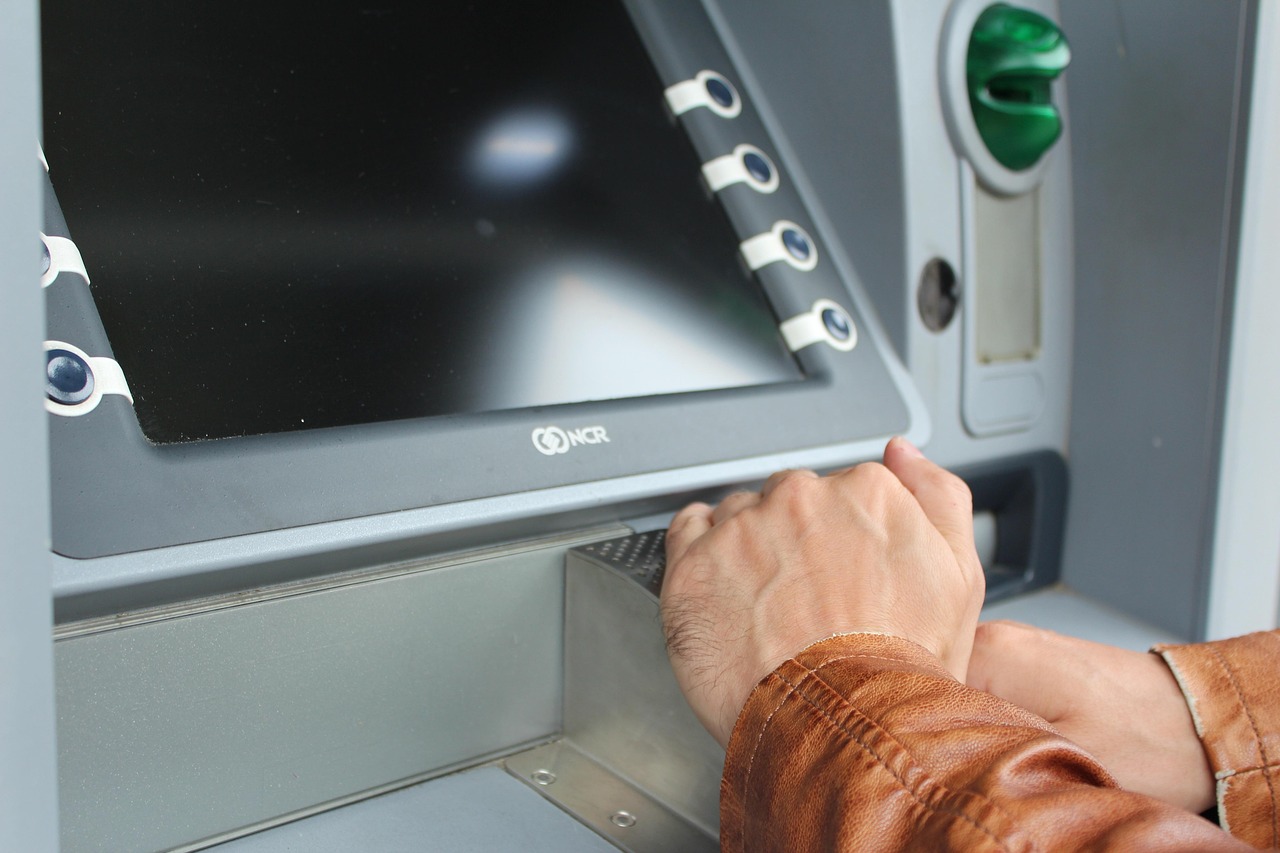
These improvements will include more accessible spaces, advanced automated banking services, and new technology to enhance operational efficiency. The goal is to provide quicker, more convenient services for customers across the country.
A key part of the initiative involves expanding the number of self-service Drop Boxes. The network currently has 500 such boxes, with plans to double this figure to 1,000 by 31 March 2027.
The Post Office Plus programme will also see an expansion. This scheme offers increased face-to-face support from trusted organisations alongside traditional services. Two such sites are already operational in Barnsley and Derby, with a target of 20 stores by 31 March 2027.
Key figures in the upgrade plan
The Chancellor’s announcement details specific targets for modernising the Post Office network.
- 600 Post Offices are slated for upgrades across the country.
- The number of self-service Drop Boxes will increase from 500 to 1,000 by 31 March 2027.
- The Post Office Plus programme will expand to 20 sites by 31 March 2027, up from two existing locations.
The Post Office’s evolving role
The Post Office has long served as a vital community institution, offering essential services from postal deliveries to banking and government transactions. Its physical presence has been especially crucial in areas where traditional bank branches have closed.
Over recent years, the network has faced challenges, including declining footfall for some services and the need to adapt to digital transformation. This proposed upgrade reflects an effort to maintain its relevance and utility in a changing landscape.
The emphasis on automated services and enhanced technology suggests a strategic move to balance traditional community presence with modern efficiency. This approach aims to address both customer expectations and operational costs within the network.
Access to services for every postcode
These upgrades could directly improve daily life for millions, particularly in communities where access to banking and other essential services is limited. Modernised branches mean shorter queues and quicker transactions for customers.
Chief Secretary to the Treasury Emma Reynolds stated the plan is about “good service and stronger communities.” This suggests a governmental recognition of the Post Office’s social value beyond its commercial operations.
The expansion of automated services and the Post Office Plus programme aims to make a wider range of support available locally. This could be particularly beneficial for vulnerable individuals or those less comfortable with purely online interactions.
Key details awaiting clarification
While the announcement outlines broad goals, several practical questions remain regarding the implementation and impact of these upgrades.
- How will the 600 Post Offices be selected for upgrades, and will there be a focus on specific regions or types of communities?
- What is the total financial investment for these upgrades, and how will it be allocated across technology, accessibility, and staffing?
- Will the expansion of self-service options lead to any changes in staffing levels or the availability of human assistance within branches?
How new services could affect you
Customers visiting their local Post Office could soon experience faster service and a broader range of options. The increase in self-service Drop Boxes means quicker parcel sending and returns.
For those who rely on in-person banking, the introduction of automated banking services could streamline transactions. This reduces waiting times and makes routine tasks more efficient.
The Post Office Plus programme, expanding to 20 sites by 31 March 2027, offers enhanced face-to-face support. This could provide valuable assistance for complex queries or for those needing help from trusted organisations in a familiar setting.

Modernisation must not sideline human connection
The Chancellor’s commitment to upgrading 600 Post Offices is a welcome recognition of the network’s enduring importance. Investment in technology and accessibility is essential for any public service in the 21st century.
However, the emphasis on self-service Drop Boxes, while efficient, raises a crucial question about the balance between automation and human interaction. Many Post Office users, particularly older or vulnerable individuals, rely heavily on face-to-face assistance.
The Post Office’s unique value often lies in its trusted staff and their ability to provide personalised support. True modernisation should enhance this human element, not diminish it in favour of purely automated solutions. A successful upgrade must ensure that efficiency gains do not come at the cost of community connection.
The Budget announcement and beyond
The immediate focus will be on Chancellor John Healey’s full Budget announcement on Wednesday 2026-10-28, where further details of the Post Office upgrade plan are expected.
- Look for specifics on the funding allocated to these upgrades and the timeline for implementation beyond 31 March 2027.
- Monitor public reaction and any statements from Post Office unions or community groups regarding the scope and nature of the changes.
- Observe how the Post Office Plus programme expands and the types of additional services it offers in its new locations.