Anthony Durkan receives a four-year sentence for a six-year voyeurism spree, leaving many victims unaware of the deep privacy violation.
Anthony Durkan’s six-year voyeurism campaign
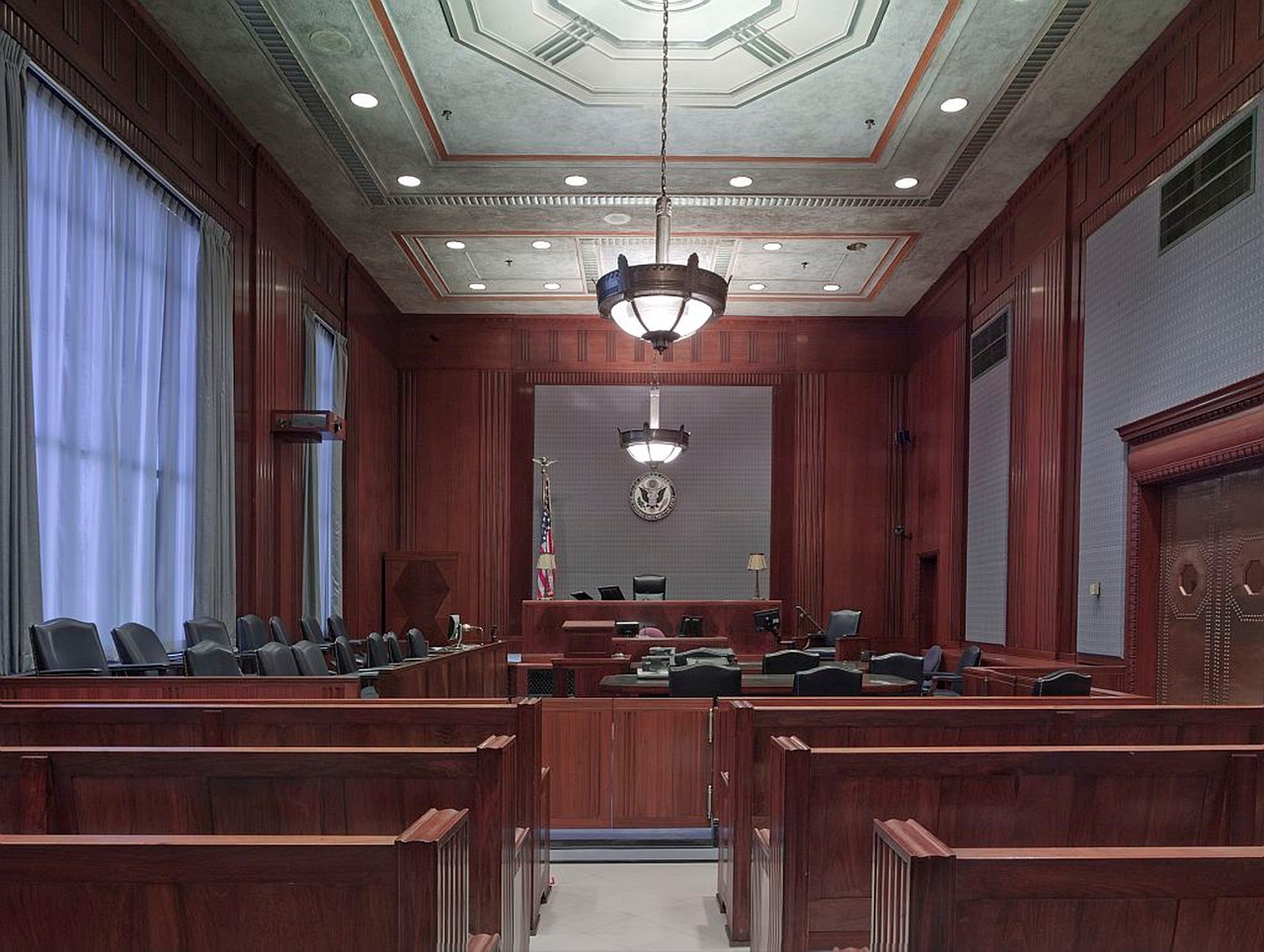
Anthony Durkan, a 36-year-old father of two from Islington, has been jailed for four years at Snaresbrook Crown Court. He admitted to 26 charges of voyeurism, crimes he committed over a six-year period.
Durkan carried out his intrusive acts by dressing in all black and wearing a balaclava. He specifically targeted residential streets in North London, lurking outside women’s homes in the dead of night to secretly film them through their windows.
CCTV footage captured him standing on tiptoes, his face obscured, peeping through windows. He was also seen putting his phone through railings to film inside properties. Police discovered hundreds of videos of unsuspecting women on his phone, many captured in various states of undress.
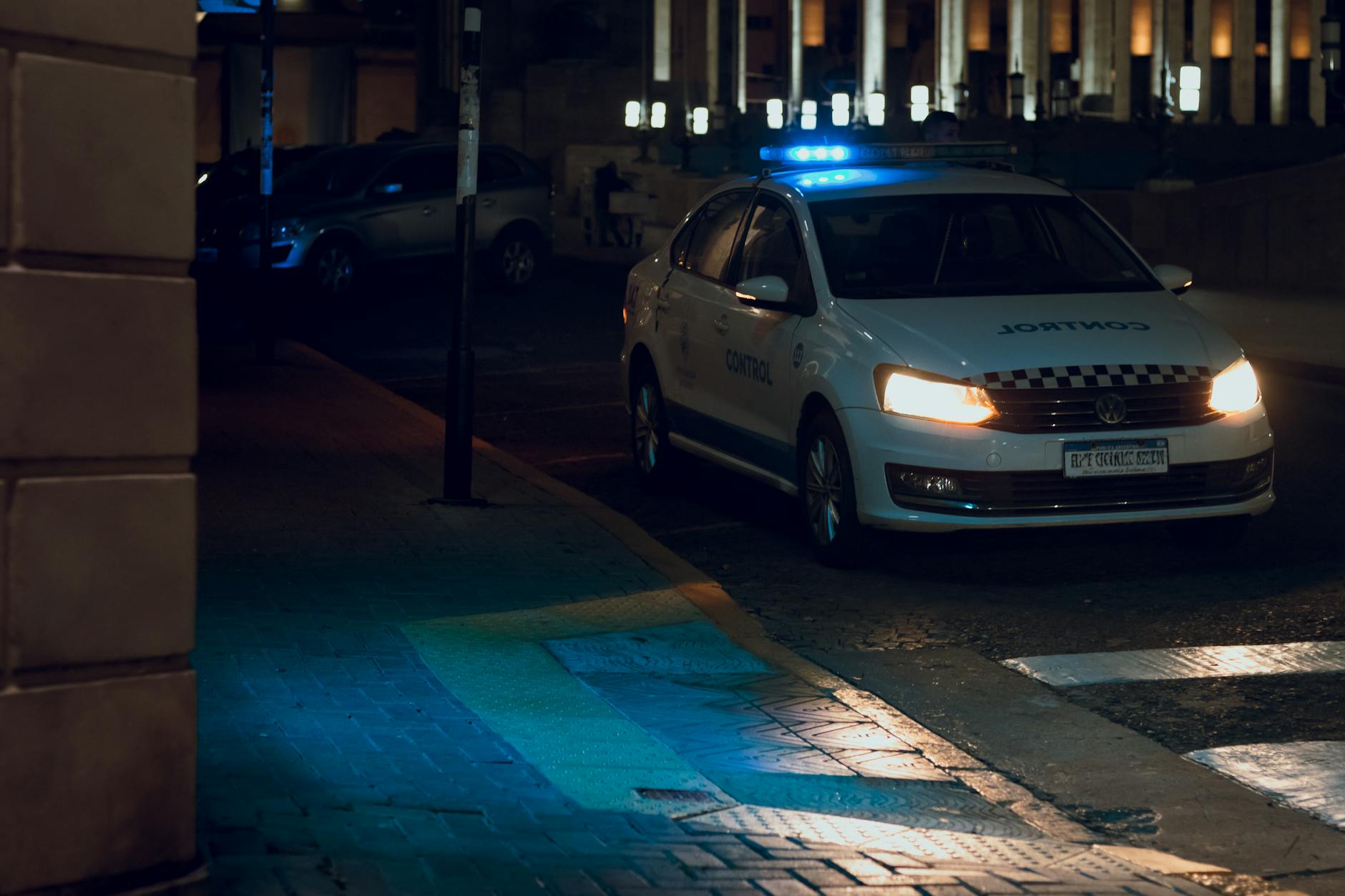
His crimes came to light in January 2026 when a woman reported his repeated presence outside her home. Durkan was arrested in March 2026 by a plain-clothed officer who observed him loitering suspiciously near a property in North London.
Details of Durkan’s conviction
Anthony Durkan’s conviction at Snaresbrook Crown Court concludes a six-year period of deeply intrusive criminal activity. His actions violated the privacy of numerous individuals within their own homes.
- Anthony Durkan, 36, from Corporation Street, Islington.
- Admitted 26 charges of voyeurism.
- Jailed for four years.
- Offences linked back to January 2020, ending with his arrest in March 2026.
Four-year sentence removes a community risk
The four-year custodial sentence handed to Anthony Durkan directly removes a clear risk to women and girls within North London communities. His calculated and deeply intrusive actions targeted individuals in their own homes, a space where they should feel most secure.
Many of Durkan’s victims were entirely unaware they were being watched and filmed, a fact that compounds the violation. This hidden aspect means the full extent of the harm caused may never be truly known, even with his conviction.
Detective Chief Inspector Gemma Alger noted the determination of officers to act on local reports, leading to Durkan’s identification and arrest. This proactive police work prevented further targeting of women, demonstrating the importance of community attention.

Unidentified victims remain a key concern
The most pressing question following Durkan’s sentencing is how many more women were unknowingly subjected to his voyeurism during his six-year spree. Police continue efforts to identify additional victims, linking Durkan to offences dating back to 2020.
- How many of the “hundreds of videos” found on Durkan’s phone depict individuals who have not yet been identified?
- What resources are being allocated to the Met Police’s Op Paringa to ensure all potential victims are reached?
- Will the police outreach campaign effectively encourage women who noticed “unusual activity” to come forward after such a long period?
Hidden surveillance in the digital age
Anthony Durkan’s case reflects a wider societal challenge posed by crimes of hidden surveillance, often facilitated by readily available technology. The use of mobile phones for covert filming allows perpetrators to document their actions extensively.
This pattern of intrusive behaviour, where victims are unaware of the violation, mirrors other digital-age offences such as ‘upskirting’ or the non-consensual sharing of intimate images. These crimes exploit technology to breach personal boundaries, often without immediate detection.
The reliance on CCTV footage and a plain-clothed officer’s observation in Durkan’s capture demonstrates the blend of traditional policing and modern evidence gathering needed. The six-year duration points to the difficulties in detecting such clandestine acts early, despite technological aids.
North London residents asked to contact police
Residents in North London, particularly those who may have noticed suspicious activity around their homes between January 2020 and March 2026, are urged to contact the police. This period covers the full extent of Anthony Durkan’s voyeurism campaign.
The Metropolitan Police’s Op Paringa is actively seeking information from women who might have observed anything unusual, especially late at night or in the early hours. Even seemingly minor details could be crucial in identifying further victims.
Anyone with relevant information can reach out to the police directly via email at OpParinga@met.police.uk. Coming forward can help ensure all those affected by Durkan’s actions receive recognition and support, and contribute to a fuller understanding of his crimes.
Sentence length raises questions about deterrence
Anthony Durkan’s four-year sentence, while significant, raises questions about whether it truly reflects the deep and prolonged harm inflicted by his six-year campaign of voyeurism. Victims often live for years without knowing their privacy has been violated, a fact that can cause lasting distress once discovered.
The prosecutor, Edward Kalber, rightly identified Durkan as posing “a real risk to women and girls.” However, the sheer volume of his offending and the extent of his video collection suggest a deep-seated pattern of behaviour that a four-year term might not adequately deter or address.
The justice system must send an unequivocal message that such calculated invasions of privacy will be met with the full force of the law. Sentences should be proportionate to the hidden, lasting damage, supported by greater public education and well-resourced police efforts to identify all victims.