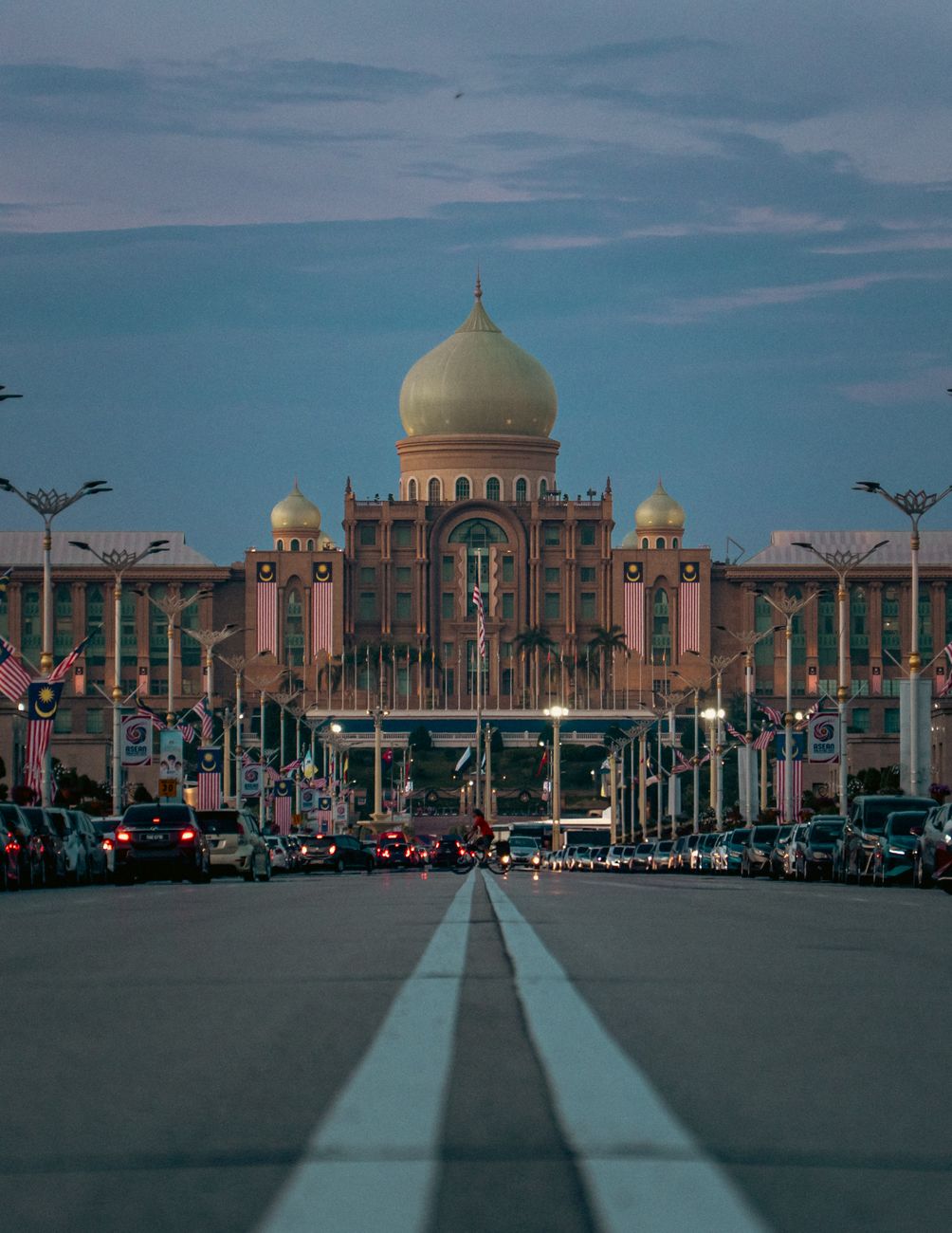
President Zelensky directly advises Chancellor John Healey to prioritise defence spending immediately, warning against delays in military preparedness.
Zelensky’s direct appeal to UK Chancellor
President Volodymyr Zelensky has issued a direct appeal to UK Chancellor John Healey, urging immediate and prioritised defence spending. His warning came in an interview ahead of the UK Budget, stressing the need for Britain to be on a “war footing”.
Mr Zelensky questioned whether the UK could trust Russia, stating that if not, defence must be “100 per cent the priority”. He advised Chancellor Healey not to delay, emphasising the directness required in the current geopolitical climate.
The Ukrainian leader highlighted Russian President Vladimir Putin’s actions, noting that Putin is “testing everything and testing everybody”. He warned that the danger posed by Russia is “much bigger” than just Ukraine.
Mr Zelensky also criticised former US President Donald Trump, accusing him of “sucking up” to Putin and urging Prime Minister Andy Burnham and other world leaders to challenge Trump’s stance. He expressed gratitude to Mr Burnham for quick reactions during difficult times but called for more directness.
Key figures and statements on defence
- Chancellor John Healey is expected to promise a “down-payment” towards hitting three per cent of GDP on defence by 2030 in the upcoming Budget.
- An ally of Mr Healey stated he would fund the “Defence Investment Plan in full” in the Budget.
- No10 has delayed setting out a detailed spending plan for meeting its NATO commitment until next autumn.
- Mr Zelensky noted that air defence is “weak in Europe, not only in the UK”.
- He has not spoken to Mr Trump since the US President reportedly said “Russia, frankly, has been fine on Ukraine. They haven’t been doing much” last week.
- A one-year-old child, Angelina Mariukhna, and her mother, Inna, 28, were killed by a drone in Kharkiv, Ukraine, hours after Trump’s comments.
- Ukraine’s Starlink system was restricted without warning, causing thousands of drones to fall from the sky.
- Washington postponed a meeting in Brussels focused on Ukraine on Monday, citing “tensions around the Middle East”.
Chancellor Healey’s defence spending pledge
Chancellor John Healey’s commitment to defence spending is rooted in his past actions and the UK’s international obligations. His resignation as Defence Secretary previously underscored his conviction regarding military expenditure as a proportion of GDP. This history provides context for his current budgetary intentions.
The UK’s pledge to NATO involves increasing defence funding, a commitment that has faced scrutiny regarding its detailed implementation timeline. The government’s decision to delay a comprehensive spending plan until next autumn has drawn criticism, raising concerns about national preparedness amidst ongoing global instability.
Delaying defence spending risks national security
Delaying a comprehensive defence spending plan could leave Britain vulnerable and unprepared against evolving threats. Critics fear the current approach risks national security, particularly in the face of what is described as Putin’s ongoing hybrid warfare tactics. A clear strategy is essential for effective deterrence and response.
President Zelensky’s warning about weak air defence across Europe, including the UK, highlights a critical vulnerability. Investing in military and tactical facilities, alongside rebuilding capabilities, is presented as an urgent necessity to counter dangerous Russian policy and protect national interests.
Unclear details in UK’s long-term defence plan
The most pressing question is how the UK will bridge the gap between Chancellor Healey’s “down-payment” and the full, detailed plan for meeting the three per cent GDP defence target by 2030.
- What specific “military and tactical facilities” will be prioritised for building or rebuilding in the UK?
- How will the UK address the identified weakness in air defence capabilities across Europe?
- What concrete steps will Prime Minister Andy Burnham and other world leaders take to challenge former US President Donald Trump’s perceived alignment with President Putin?
US leadership shifts impact global defence
The shifting stance of US leadership, as exemplified by former President Donald Trump’s comments on Russia and Ukraine, creates uncertainty among allies and impacts global defence strategies. This pattern of perceived wavering support from a key partner forces other nations to re-evaluate their own security postures and alliances.
Similar concerns have arisen in other contexts, such as the US withdrawal from the Iran nuclear deal in 2018, which left European allies scrambling to maintain the agreement. These instances demonstrate how unpredictable US foreign policy can compel allies to seek greater autonomy or alternative security arrangements.
UK must heed Ukraine’s urgent defence call
President Zelensky’s stark warning to the UK is not merely a plea for Ukraine, but a critical assessment of European security that Britain cannot afford to ignore. The Chancellor’s “down-payment” is a welcome step, yet the delay in a detailed spending plan until next autumn risks complacency in the face of immediate and escalating threats.
True preparedness demands more than rhetorical commitments; it requires decisive action and transparent planning. The UK should accelerate its detailed defence strategy, moving beyond a phased approach to demonstrate unequivocal commitment to its own security and its allies. Anything less signals a dangerous underestimation of the current geopolitical reality.
Autumn deadline for UK defence strategy
The critical date to watch is next autumn, when No10 is expected to finally set out its detailed spending plan for increasing defence funding. This plan will clarify how the UK intends to meet its NATO commitment.
- The immediate impact of Chancellor John Healey’s Budget announcements on defence spending.
- Any reactions from international allies, particularly NATO members, to the UK’s defence commitments and timeline.
- Continued statements and actions from former US President Donald Trump regarding the conflict in Ukraine and US foreign policy.