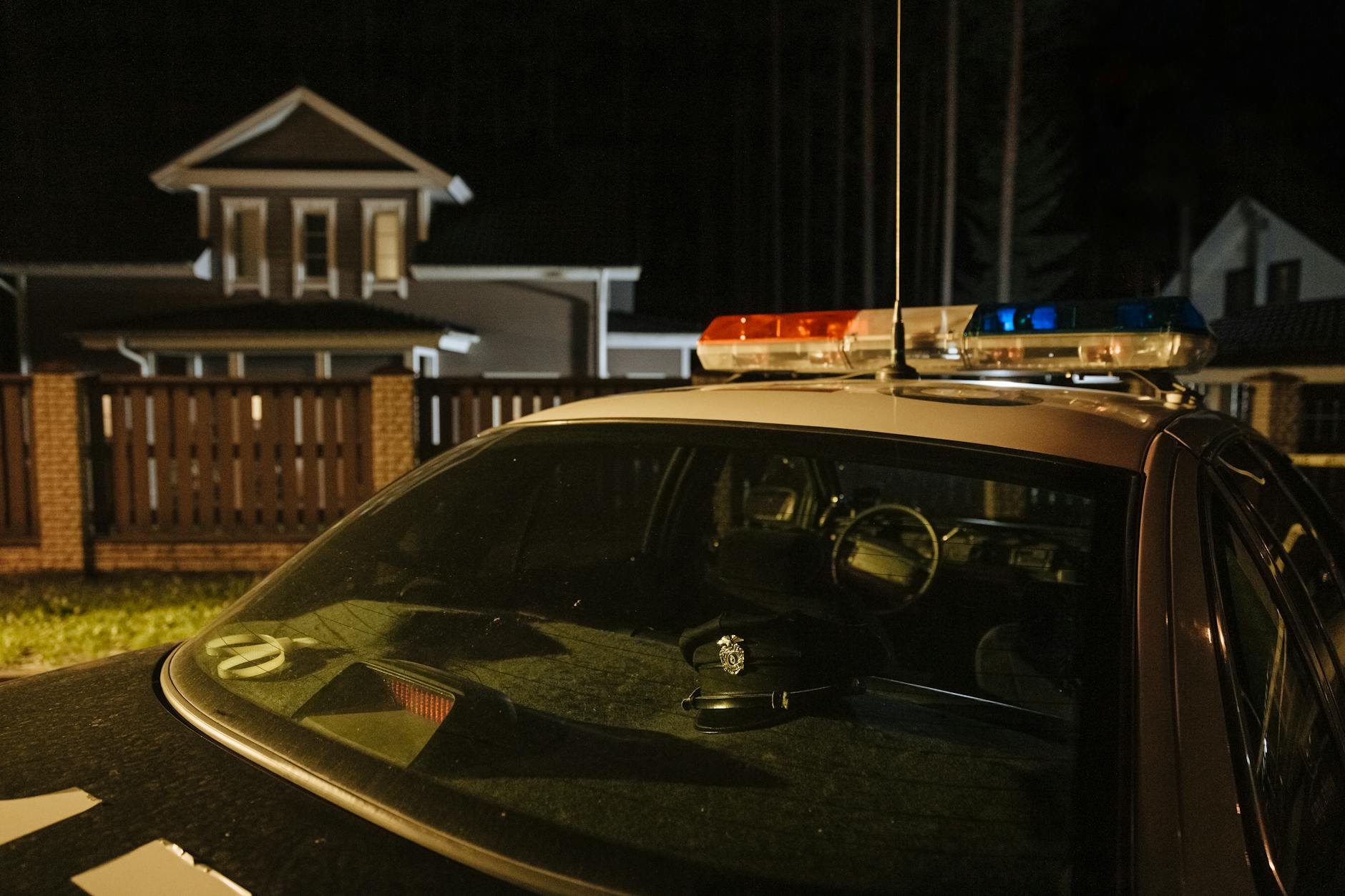
The Cornell accuser’s family endured an armed police raid following a false report, exposing the extreme personal risks in high-profile legal battles.
Cornell accuser’s family endures swatting attack
The family home of a woman, known as Jane Doe, who is suing Cornell University and several fraternity members, was subjected to a dangerous ‘swatting’ incident on Tuesday, 6 October 2026. This involved a false report of a double murder at their address, prompting an armed police response.
Officers arrived with weapons drawn, confronting Doe’s boyfriend, brother, and father. Her lawyer, Thomas Giuffra, described how her boyfriend was thrown to the ground and her father had guns pointed at him, warning that the situation could have turned deadly.
The incident offers a rare glimpse into the accuser’s private life, revealing her previously unmentioned boyfriend has been a constant support.
Allegations and threats surrounding the Cornell lawsuit
The swatting incident occurred amid a barrage of death threats against Jane Doe following her lawsuit, which has reportedly turned her life upside down.
- The civil complaint, filed last month, alleges seven members of Cornell’s Chi Phi fraternity drugged and sexually assaulted Doe in October 2024.
- The lawsuit claims fraternity members used a group chat to invite others to participate in the alleged assault, and names Cornell University, the fraternity, and individuals.
- All seven accused men deny wrongdoing, but Doe has reportedly received dozens of threats since filing the 101-page complaint.
- On the night of the swatting, Doe received a separate disturbing call from someone claiming a first name shared with an accused man.
- The following day, Doe’s lawyer received a call threatening “blood will be shed” if the case was not withdrawn.
- The FBI is now reportedly looking into the swatting incident alongside local police.
- Doe has taken precautions, including taping paper over windows, and her mother has taken time off work to care for her. Her boyfriend and friends provide support.
- Cornell President Michael Kotlikoff has acknowledged the anger on campus, and the university has appointed former acting US Attorney General Sally Yates to investigate its processes for addressing sexual assault claims.
Cornell faces scrutiny over assault claims
The swatting incident and ongoing threats against Jane Doe intensify pressure on Cornell University regarding its handling of sexual assault allegations. The institution is accused in the lawsuit of failing to adequately protect Doe or punish those implicated in the alleged October 2024 assault.
Cornell President Michael Kotlikoff has acknowledged the anger on campus, promising further scrutiny. The university has appointed former acting US Attorney General Sally Yates to investigate its processes for addressing sexual assault claims, indicating a recognition of the need for an external review.

Accusers face extreme personal danger
The swatting attack on Jane Doe’s family raises the personal cost of pursuing justice in high-profile cases. This incident demonstrates that legal battles can extend far beyond the courtroom, impacting the safety and privacy of those involved.
The threats, including the lawyer’s office receiving a warning of “blood will be shed,” create an environment of fear. Such intimidation tactics could deter other individuals from coming forward with allegations, thereby undermining the justice system itself.
Who orchestrated the threats and swatting?
The most critical question is the identity of those behind the swatting incident and the subsequent death threats, as their motives and potential connections remain unclear.
- Is there any connection between the anonymous callers, the accused fraternity members, and the swatting incident?
- How will the FBI and local police investigation into the swatting progress, and what measures will be taken to ensure the family’s safety?
- What specific changes will Cornell University implement following Sally Yates’s investigation into its handling of sexual assault claims?
Malicious false reporting targets individuals
This swatting incident against Jane Doe’s family fits into a disturbing pattern of malicious false reporting used to target individuals, often public figures or those involved in contentious legal cases. Such attacks are designed to cause distress and can put lives at risk due to the aggressive police response they provoke.
Similar incidents have targeted journalists, politicians, and online personalities, highlighting a broader vulnerability to digital harassment escalating into real-world danger. The use of swatting as a tactic to intimidate or silence individuals involved in high-stakes disputes is a growing concern for law enforcement and victims alike.
Protecting accusers needs proactive measures
The terrifying swatting incident at Jane Doe’s home reveals a critical flaw in how society supports individuals who come forward with serious allegations. Simply providing legal avenues is insufficient if the personal safety of accusers and their families is not rigorously protected from malicious retaliation.
When an individual’s life is upended by threats and fear, as Doe’s has been, it sends a chilling message to others considering speaking out. Universities and legal systems must collaborate more effectively with law enforcement to anticipate and prevent such extreme forms of intimidation. The current system inadvertently allows perpetrators of harassment to inflict further harm, undermining the very pursuit of justice.
To truly support accusers, we need proactive protection measures, not just reactive investigations. This means establishing clear protocols for threat assessment and intervention, ensuring that individuals can seek justice without fearing for their lives or the safety of their loved ones.
FBI investigation and Cornell’s response
All eyes will be on the FBI’s ongoing investigation into the swatting incident, as its findings could shed light on the source of the threats and potential connections to the Cornell lawsuit.
- The progress of the civil lawsuit against Cornell University and the fraternity members will continue to unfold in the coming months.
- The results and recommendations from Sally Yates’s independent investigation into Cornell’s handling of sexual assault claims are highly anticipated.
- Any further public statements or actions from Cornell President Michael Kotlikoff regarding campus safety and support for accusers will be closely monitored.