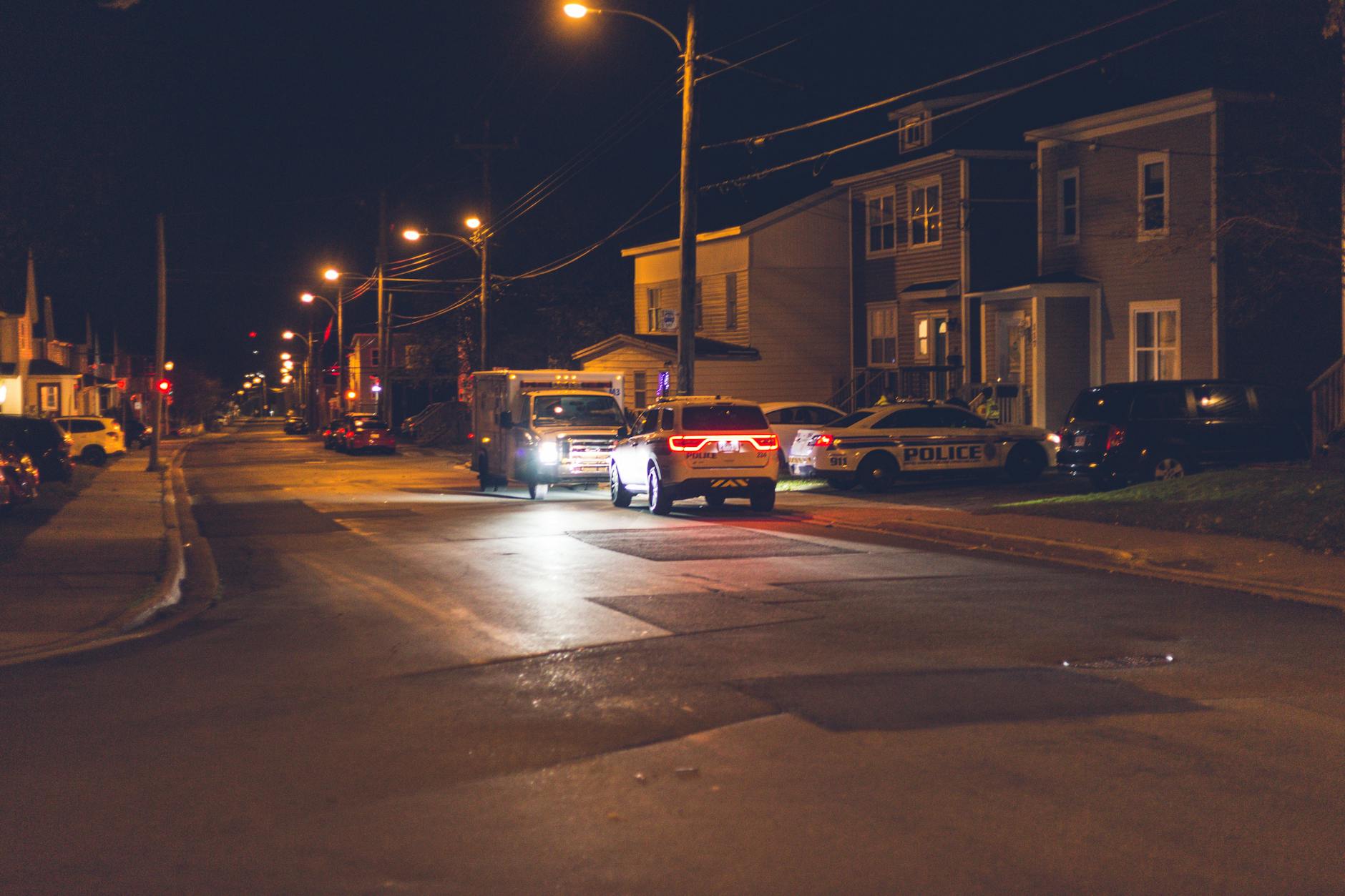
Parents could face fines for children’s anti-social behaviour this Halloween, despite no legal age limit for trick-or-treating alone.
Halloween trick-or-treating rules clarified
This year, families preparing for Halloween on Saturday 31 October are reminded that there is no specific legal age limit for children to go trick-or-treating unsupervised in England.
Parents can decide if their children are old enough to venture out with friends, provided they deem it safe. This flexibility allows for individual family judgments regarding maturity and safety.
However, this freedom comes with a significant caveat. Parents remain legally responsible for any anti-social behaviour committed by their children under the age of 16.
Such behaviour can range from vandalism, like toilet-papering houses or egg-throwing, to the misuse of fireworks. These actions could lead to financial penalties for guardians.
Legal age and financial penalties
Current UK law does not specify an age limit for children to go trick-or-treating on their own. This means there is no legal minimum age for unsupervised outings.
- The NSPCC advises that children aged 12 or under should be accompanied by a carer at all times.
- Parents are liable for fines if their children under 16 engage in anti-social behaviour.
- A fixed penalty notice for such behaviour can amount to GBP100.
- It is not illegal for under-18s to watch 18+ rated films at home, but they cannot buy, rent, or watch them in a cinema.
Parental responsibility in law
The legal framework around children’s actions often places responsibility squarely on parents or guardians. This principle extends beyond Halloween activities.
Sergio Abreu, a Legal Adviser at DAS Law, points out that parents are generally responsible for supervising their children in certain situations. The level of supervision required typically varies with the child’s age.
Older children are expected to have a greater understanding of their actions and their consequences. However, the law acknowledges that children are unlikely to possess the assets to cover damages, making parents the financially accountable party.

A GBP100 fine for parents
Parents could face a GBP100 fixed penalty notice if their children under 16 engage in anti-social behaviour on Saturday 31 October. This financial consequence directly impacts household budgets.
Beyond the immediate fine, repeated incidents could lead to further legal complications or involvement from local authorities. The potential for a criminal record for the child, even if the fine falls on the parent, is also a serious consideration.
This situation creates a tension between allowing children independence and safeguarding families from legal and financial repercussions. It forces parents to weigh trust against potential penalties.
Clarity on supervision expectations
The primary question for many parents is how the legal responsibility for anti-social behaviour aligns with the absence of a legal age limit for unsupervised outings. This creates a grey area.
- What specific criteria do authorities use to determine if a child’s actions constitute anti-social behaviour warranting a fine?
- Are there any specific guidelines for parents to follow to mitigate their liability, beyond general advice on respectful behaviour?
- How are disputes handled if a parent believes their child was not responsible for alleged damage or mischief?
Families must discuss Halloween conduct
Families planning Halloween activities need to understand the legal distinctions between supervised outings and potential liabilities. A clear conversation with children about respectful behaviour is now essential.
Parents should discuss the types of actions considered anti-social, such as egg-throwing or vandalism, and the direct financial consequences these could have for the family. This proactive approach can prevent unexpected fines.
Additionally, checking the weather forecast for Saturday 31 October is practical advice. Colder weather might encourage some children to stay indoors, potentially shifting the focus to home entertainment like films.
The burden of implied responsibility
The current legal position on Halloween trick-or-treating places an undue burden of implied responsibility on parents. While there is no explicit age limit for children going out alone, the threat of a GBP100 fine for their actions under 16 creates a de facto restriction.
This creates a confusing landscape for families. Parents are encouraged to decide on safety, yet they bear the financial risk for decisions made by children who are legally permitted to be unsupervised. It is an inconsistent approach.
The NSPCC’s advice for under-12s to be accompanied offers a practical guideline, but it is not legally binding. This highlights a gap between advisory best practice and enforceable law.
A clearer legal framework would benefit everyone. Either establish a recommended age for unsupervised trick-or-treating or implement a system that better distinguishes between genuine parental negligence and typical childhood mischief.