
Police and councils gain new Respect Orders today, allowing them to impose curfews and public bans on adult anti-social offenders.
New Respect Orders target adult offenders
New Respect Orders have officially come into force, granting police and local councils significantly expanded powers. These new legal tools are specifically designed to tackle persistent anti-social behaviour. They primarily target adult troublemakers.
Authorities can now impose stringent curfews on individuals deemed problematic. They can also issue bans preventing them from entering specific public areas. These restrictions aim to reclaim communal spaces.
Public hotspots, including busy high streets and popular local parks, are key targets. These areas are often affected by issues such as public boozing and disruptive gatherings. The orders provide a direct response.
Flouting one of these newly issued orders carries a severe legal penalty. Offenders could face a substantial prison sentence of up to two years. This underscores the serious nature of the new legislation.
The scope of application for these orders extends beyond traditional law enforcement agencies. Housing associations and transport networks are also empowered to apply for them. This broadens the reach of the new powers into various community settings.
Home Secretary Shabana Mahmood welcomed the change, stating on Monday 26 October that unchecked anti-social behaviour “blights our communities.” She asserted that such behaviour is “not inevitable” and that she “won’t accept it.”
Mahmood further commented that for too long, authorities have “lacked the powers we need to deal with this problem properly.” She believes that “from today, that changes,” enabling “tough action against these offenders.”,,`
lacked the powers we need to deal with this problem properly.
Key details of the new powers
The new Respect Orders are now active, providing a framework for authorities to address adult anti-social behaviour.
- Orders apply to adults identified as persistent troublemakers.
- Powers include imposing curfews and banning individuals from public areas.
- Public hotspots such as high streets and parks are covered by the bans.
- Police, councils, housing associations, and transport networks can apply for orders.
- Breaching an order can lead to a prison sentence of up to two years.
- Under-18s remain subject to Youth Injunctions, not these new orders.
Previous efforts against anti-social behaviour
The introduction of Respect Orders reflects a persistent challenge for authorities in managing public order. Various legal instruments have been employed over the years to address anti-social behaviour. These efforts have often yielded mixed results.
Home Secretary Shabana Mahmood’s statement about “lacked the powers we need” highlights a perceived deficiency in previous legislative frameworks. This suggests a desire for more effective tools.
Past measures, such as Anti-Social Behaviour Orders (ASBOs), aimed to curb disruptive conduct. However, they frequently faced criticism regarding their implementation and impact. They were often seen as a ‘badge of honour’ by some.
The new orders seek to provide a more robust and targeted response. Their focus on “persistent troublemakers” indicates a strategic shift. This aims to prevent ongoing community disruption more effectively.
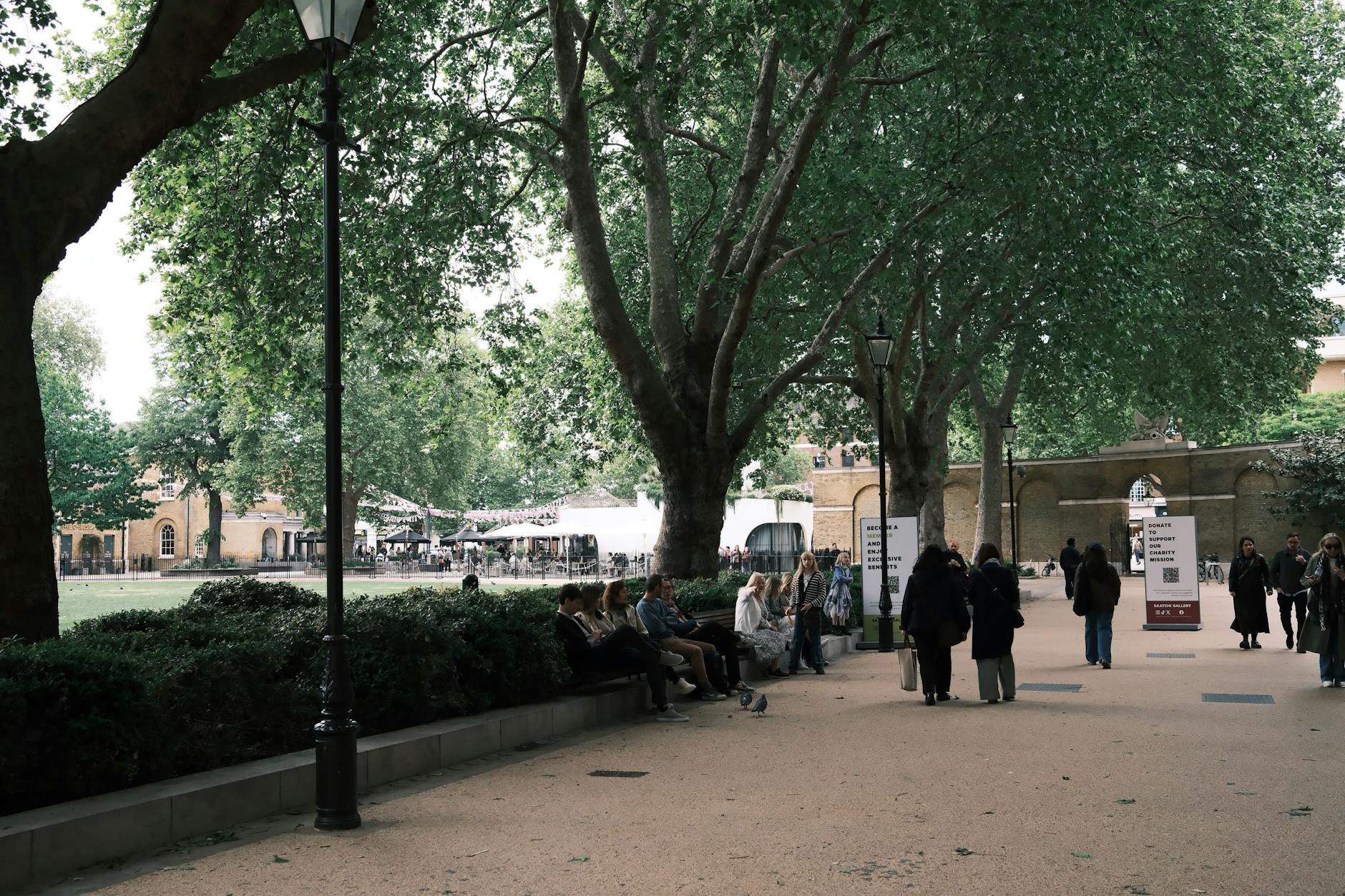
Communities gain new tools to tackle disruption
The new Respect Orders could significantly improve the quality of life for residents in areas plagued by persistent anti-social behaviour. Local communities often endure daily disruption. This can lead to a pervasive sense of insecurity.
These powers offer a direct mechanism for police and councils to intervene decisively. They can remove individuals who repeatedly cause problems from specific public spaces. This action could help restore a sense of calm and order.
The ability for housing associations and transport networks to apply for orders is also a critical development. It extends the reach of enforcement beyond traditional policing. This acknowledges the diverse settings where anti-social behaviour occurs.
Ultimately, the success of these orders will be measured by their tangible impact on public spaces. A noticeable reduction in disruptive behaviour would signal a positive change. It could make town centres and parks more welcoming for everyone.
Funding and enforcement questions remain
The primary question is how police forces and local councils will be adequately resourced to effectively implement and enforce these new Respect Orders across the country.
- What specific criteria will consistently define a “persistent troublemaker” in practice?
- How will the court system manage the expected increase in applications and potential appeals efficiently?
- What support mechanisms will be genuinely in place to help offenders avoid reoffending after an order is issued?
- Will the new powers lead to a significant reduction in anti-social behaviour, or merely displace it to other areas?
Similar powers in previous legislation
These new Respect Orders fit into a long history of legislative attempts to grant authorities greater control over public behaviour. For instance, Anti-Social Behaviour Orders (ASBOs), introduced in 1999, also sought to restrict individuals’ actions.
ASBOs allowed courts to prohibit specific activities or presence in certain areas. They were designed to protect communities from disruptive individuals. However, they sometimes became associated with minor infractions.
The Criminal Behaviour Order (CBO), introduced in 2014, replaced ASBOs and Drinking Banning Orders. CBOs are issued upon conviction for a criminal offence. They carry similar prohibitions and positive requirements.
Respect Orders appear to build on this legislative evolution, offering a pre-conviction tool. They provide a specific focus on adults and a direct link to public space restrictions. This represents a targeted approach to a persistent issue.

New orders must avoid unintended consequences
While the intent behind Respect Orders – to curb disruptive behaviour and enhance community safety – is commendable, their implementation demands careful scrutiny. The risk of overreach or disproportionate application remains a significant concern for civil liberties.
Authorities must ensure these new powers are used judiciously and fairly. A sole focus on bans and curfews, without addressing underlying issues for offenders, could prove to be a short-term fix. Simply moving problems from one area to another does not constitute a genuine victory.
To be truly effective, these orders should integrate into a broader strategy. This strategy must combine firm enforcement with genuine efforts to rehabilitate individuals. Without clear guidelines for “persistent troublemaker,” there is a danger of criminalising minor nuisances.
First cases will set the tone
The immediate focus will be on the first applications of these new Respect Orders and how they are handled by police, councils, and the courts in the coming weeks.
- Monitor initial court rulings and the specific types of behaviour targeted by the orders.
- Observe public and community reactions to the enforcement of these new powers.
- Look for any early data on the number of orders issued and breaches reported.
- Assess how effectively support mechanisms are integrated for individuals subject to the orders.