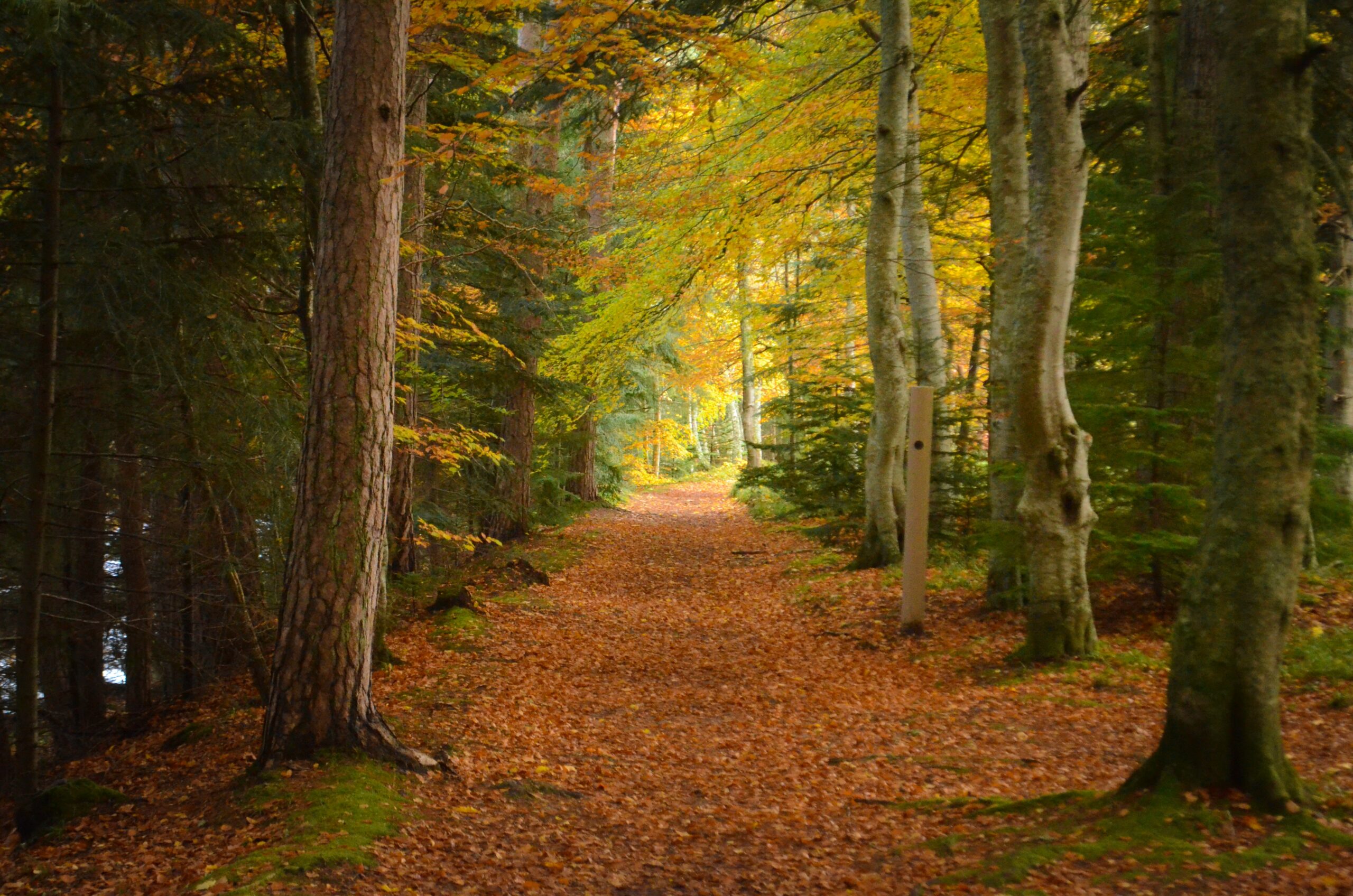
Families can explore ancient trees, fungi, and deer across the UK this autumn, offering free and engaging outdoor activities.
Free autumn activities across UK woodlands
Organisations like the Woodland Trust and Forestry England are actively encouraging the public to engage with nature this autumn. They are promoting a variety of free outdoor activities designed to help people appreciate seasonal changes and local wildlife.
Participants can easily find ancient trees using a dedicated online map provided by the Woodland Trust. This resource also allows individuals to contribute by adding new ancient trees to its national inventory.
Forestry England invites visitors to take part in its autumn leaf watch tracker. This involves recording the changing colours of leaves observed in forests, contributing to a wider understanding of seasonal shifts.
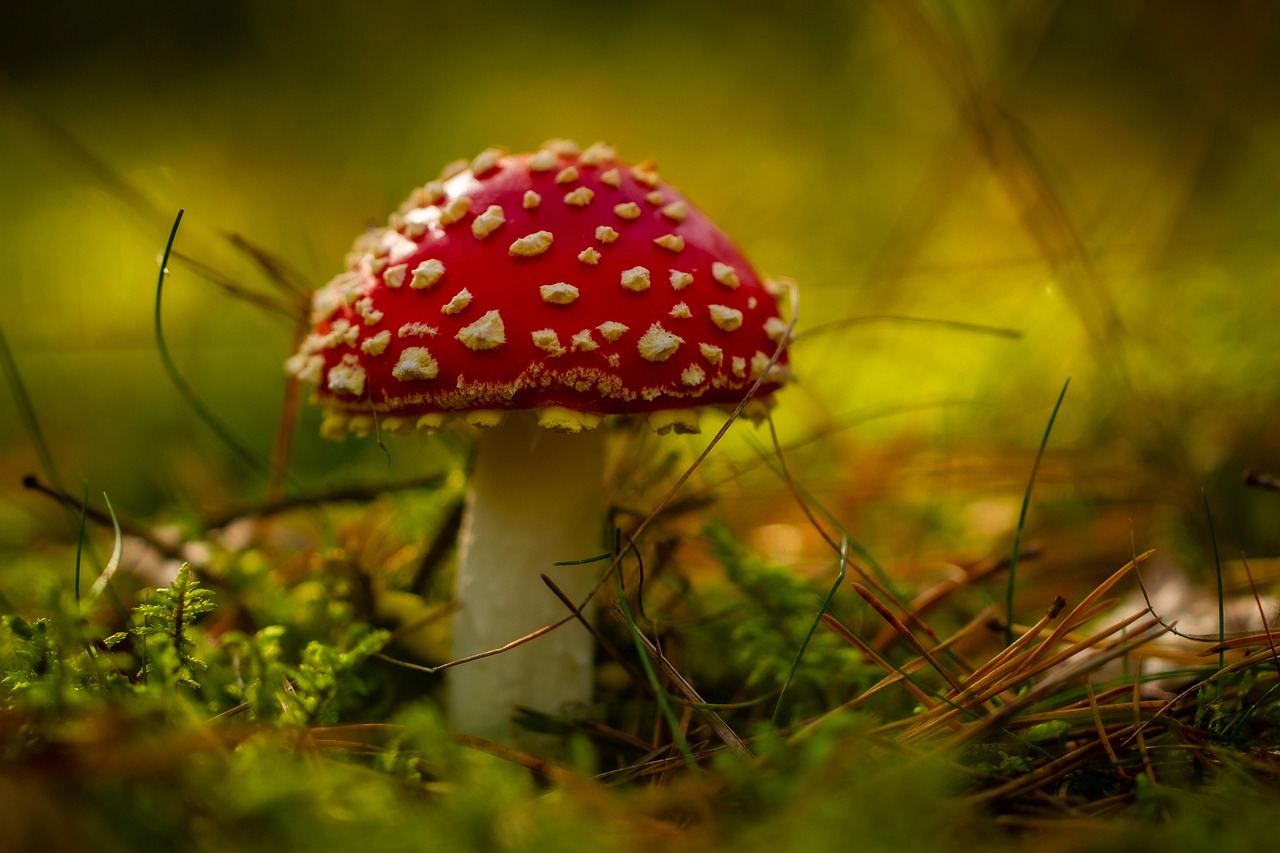
Furthermore, free guides are available for identifying various fungi species, including turkey tail or candlesnuff fungus. These guides help enthusiasts safely explore the diverse fungal kingdom in woodlands and unmown grass.
For those interested in wildlife, resources are provided for spotting the UK’s six distinct species of wild deer. These guides enhance the experience of observing animals in their natural autumn and winter habitats.
For families, Forestry England also provides free seasonal activity sheets. These include popular ‘Room On The Broom’ trails, which offer engaging forest facts and insights into animal habitats, making nature walks more interactive for children.
Key organisations and nature observations
Several national organisations are involved in promoting and facilitating these autumn outdoor experiences across the UK. Their efforts provide structured ways for the public to connect with nature and its seasonal changes.
These initiatives include specific tools and programmes designed to encourage participation and learning. They aim to make natural exploration accessible and educational for everyone, regardless of prior knowledge.
- The Woodland Trust offers an online map to locate ancient trees and allows users to add new ones to its national inventory.
- Forestry England runs an autumn leaf watch tracker, inviting visitors to record leaf colours in forests they visit.
- Plantlife provides free guides for identifying different fungi species and organises a ‘Waxcap Watch’ to record grassland fungi.
- The UK is home to six distinct species of wild deer, with Forestry England offering a free identification guide to help spot them.
Free activities ease household budgets
Access to free outdoor activities provides a crucial benefit to household budgets, particularly during a period when many families are managing rising living costs. These initiatives offer valuable entertainment without financial strain.
This availability means that families do not need to spend money on tickets or expensive equipment to enjoy quality time together. It makes nature a readily available resource for recreation and learning.
Beyond the immediate economic advantage, spending time in nature is widely recognised for its positive impact on mental and physical well-being. Encouraging outdoor exploration promotes active lifestyles and a deeper connection to the natural environment, fostering a sense of calm and discovery.
Such programmes also help cultivate an early appreciation for conservation among younger generations. Children who engage with nature are more likely to understand its importance and become advocates for its protection in the future.
Ensuring equitable access to green spaces
While promoting free outdoor activities is valuable, a key question remains regarding the equitable accessibility of these natural spaces for all communities. Not everyone lives within easy reach of a forest or ancient woodland.
- What specific public transport options exist for individuals without private vehicles to reach these often-remote locations?
- Are there equivalent free nature programmes available in urban parks or more localised green spaces for city dwellers?
- What support is available for those who may lack appropriate outdoor clothing or equipment for colder, wetter autumn weather?
- How are these initiatives reaching diverse socio-economic groups to ensure broad participation beyond those already engaged with nature?
Growing focus on low-cost family engagement
This push for free autumn outdoor activities aligns with a broader trend towards promoting accessible, low-cost family engagement, particularly in response to economic challenges. Many local councils and national bodies are seeking ways to support households without adding financial burden.
Similar initiatives have been observed in public libraries offering free workshops or community centres hosting free events, all aiming to provide enriching experiences. The emphasis is on leveraging existing public resources.
This approach also reflects a growing recognition of the mental health benefits derived from nature. Programmes like ‘Green Social Prescribing’ in some NHS areas encourage outdoor activity for well-being, demonstrating a wider societal shift.
The focus on seasonal activities, such as leaf watching or fungi spotting, capitalises on natural cycles. This makes the programmes sustainable and relevant throughout the year, adapting to what the environment naturally offers.
Planning your autumn outdoor trips
To make the most of these autumn opportunities, readers can start by visiting the websites of the Woodland Trust, Forestry England, and Plantlife to find local resources and guides. Planning ahead ensures a more enjoyable and rewarding experience.
Preparing for outdoor conditions is essential; wrapping up warmly and bringing a thermal mug with a hot drink can significantly enhance comfort. Checking local weather forecasts before heading out is also a sensible step.
While many activities are entirely free, some optional items, such as the ‘Room On The Broom’ trail pack, carry a small cost of GBP4. Readers should factor this into their plans if they wish to purchase supplementary materials.
These activities provide a chance to create lasting family memories. Engaging with nature’s seasonal changes offers a unique and enriching experience that can be enjoyed by people of all ages.

Nature offers a vital, accessible escape
The emphasis on free, accessible outdoor activities this autumn represents a timely and important public service. In an increasingly digital world, and amidst ongoing economic pressures, reconnecting with nature offers a simple yet powerful antidote to daily stresses.
These initiatives foster a deeper appreciation for the natural world, encouraging individuals and families to step away from screens and experience the changing seasons firsthand. The value extends far beyond mere entertainment, promoting physical activity and mental calm.
However, the true success of such programmes hinges on continuous efforts to ensure genuine inclusivity. If these initiatives do not actively reach and support diverse communities, their full potential to benefit society remains untapped.